 comparison
Botox vs Skin Boosters for Fine Lines Under Eyes
Table of Contents
- Botox vs Skin Boosters for Fine Lines Under Eyes: How They Differ
- Botox for Under-Eye Wrinkles: What It Can and Cannot Do
- Skin Boosters for Under-Eye Lines: Hydration, Texture and Collagen
- Under-Eye Botox vs Fillers: Why the Area Needs Careful Assessment
- Skin Booster Results and Duration: What to Realistically Expect
- How to Choose: A Decision Guide for Under-Eye Fine Lines
- Conclusion
- Frequently Asked Questions
Last Updated: October 12, 2026
Botox vs Skin Boosters for Fine Lines Under Eyes: How They Differ
Fine lines under the eyes are among the first signs of ageing that send people searching for answers, and the choice between botox vs skin boosters for fine lines under eyes comes down to one question: what is actually causing the line? At Exclusive Medical Aesthetics, we assess the cause of the line before recommending anything. (Source: the mechanism of action for botulinum toxin)
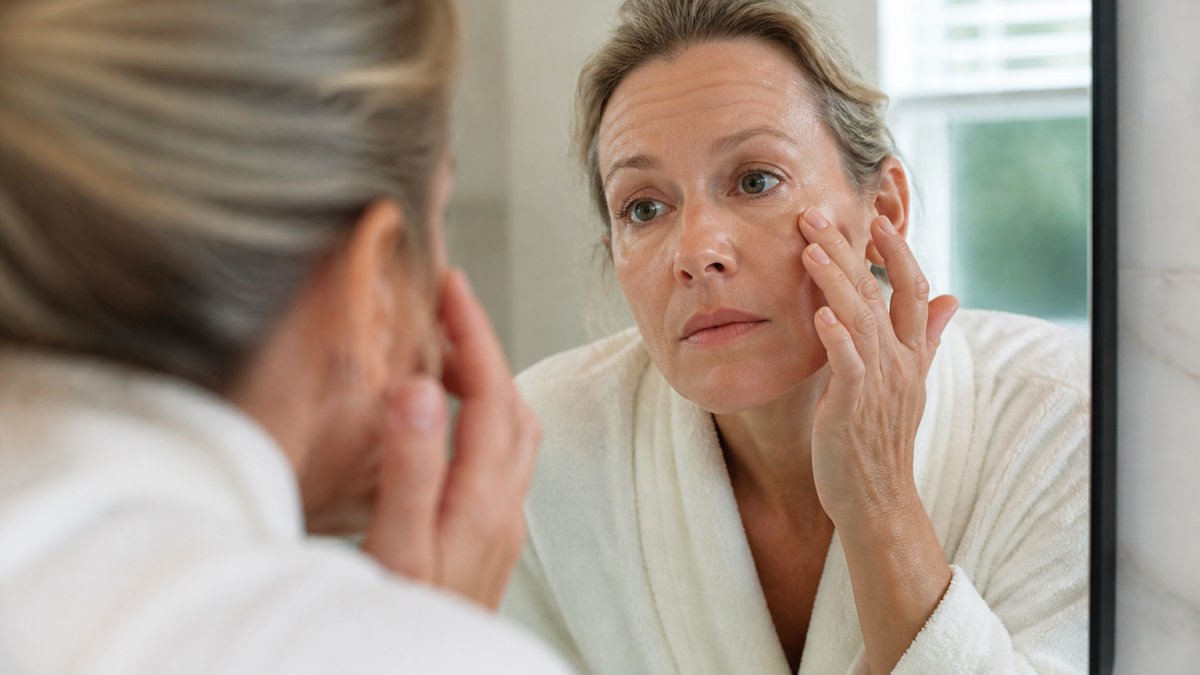
Dynamic Wrinkles vs Static Surface Lines
Dynamic wrinkles are creases formed by repeated muscle movement, such as crow's feet when you smile. Static surface lines are visible even when your face is at rest, and they usually reflect dryness, thinning skin or collagen loss.
That distinction decides everything. Botulinum toxin, the active ingredient in Botox, works on muscle movement. Skin boosters, typically based on hyaluronic acid, work on skin hydration and quality.
Botox for Under-Eye Wrinkles: What It Can and Cannot Do
Botox can soften dynamic lines around the eye, including crow's feet at the outer corners. It cannot plump skin or restore hydration, so it will not improve fine crêpey texture directly beneath the eye.
The under-eye area is delicate.
A common mistake is assuming more product means a better result. In this region, conservative dosing and a practitioner who understands eyelid anatomy matter far more than volume.
Skin Boosters for Under-Eye Lines: Hydration, Texture and Collagen
Skin boosters for under-eye lines target the skin rather than the muscle.
The aim is quality, not movement. Over a course of sessions, many patients notice a softer, better-hydrated appearance and a subtle improvement in fine surface lines.
What most guides miss is that skin boosters are a maintenance treatment. They improve skin condition gradually, and the effect fades as the product is absorbed.
Under-Eye Botox vs Fillers: Why the Area Needs Careful Assessment
Under-eye botox vs fillers is not a straightforward either-or, because the two address different anatomy. Dermal fillers restore volume and can soften hollowing or tear-trough shadows. Botox relaxes muscle. Skin boosters improve surface quality.
The under-eye region is one of the most anatomically unforgiving areas on the face. It contains the orbicularis oculi muscle (thin and superficial here), skin that is among the thinnest on the body, the infraorbital fat pads, the tear trough ligament, and a network of lymphatic channels that drain fluid from the area.
What each treatment actually addresses
| Concern | Best-matched approach | What it targets |
|---|---|---|
| Crow's feet when smiling | Botulinum toxin | Muscle movement |
| Fine crêpey texture under the eye | Skin boosters | Hydration and skin quality |
| Hollowing or tear-trough shadow | Dermal fillers | Volume loss |
| Mixed lines and dryness | Combination, staged | Muscle plus skin quality |
| Fluid retention or under-eye bags | Usually none of the above | Lymphatic and fat-related, not a wrinkle |
That last row matters. Under-eye bags caused by fat herniation or fluid retention are not wrinkles, and injecting them with Botox, boosters or filler can make the area look worse rather than better. A practitioner who cannot distinguish a bag from a line is not the right practitioner for this area.
Why the area is high-risk
Injecting near the eye carries risks that do not apply elsewhere on the face:
- Puffiness and malar oedema, fluid accumulation under the eye, sometimes persistent, particularly after filler or large-volume booster treatments.
- Bruising, the infraorbital vessels are close to the surface and easily traumatised.
- Tyndall effect, a bluish discolouration when hyaluronic acid is placed too superficially, visible through thin under-eye skin.
- Muscle effects, misplaced botulinum toxin can weaken muscles that support the lower eyelid, affecting blink or causing a droop.
Who should not be treated
A responsible assessment will screen for contraindications before recommending anything. These commonly include:
- Active infection, cold sore or skin breakdown in the treatment area.
- Pregnancy or breastfeeding.
- Known allergy to hyaluronic acid, lidocaine or botulinum toxin components.
- Autoimmune or neuromuscular conditions that affect the response to botulinum toxin.
What a proper assessment looks like
In the UK, botulinum toxin and hyaluronic acid injectables are prescription-only medicines. That means a prescriber, a doctor, dentist, nurse prescriber or pharmacist prescriber, must assess you in person before any botulinum toxin is supplied or administered. Remote prescribing without a face-to-face assessment is not compliant with the standards set by the General Medical Council, the Nursing and Midwifery Council and the Care Quality Commission, and reputable clinics will not offer it.
A thorough consultation should include:
- A face-to-face examination of your under-eye anatomy at rest and in animation.
- A review of your medical history, medications and previous treatments.
- A clear explanation of what the treatment can and cannot achieve in your case.
- A discussion of alternatives, including doing nothing.
If you are weighing a cheaper quote against a more thorough consultation, ask what is included: who prescribes, who injects, what happens if you bruise, and what the revision policy is. Those answers tell you more about safety than the price does.
Book your consultation today →
Skin Booster Results and Duration: What to Realistically Expect
Skin booster results and duration vary by product, skin condition and individual response, but the pattern is consistent enough to plan around. The table below sets out what most practitioners observe, alongside the equivalent timeline for botulinum toxin, so you can see how the two compare.
| Stage | Skin boosters | Botulinum toxin |
|---|---|---|
| Onset | 2-4 weeks, gradual | 3-14 days |
| Initial course | Typically 2-3 sessions, 3-4 weeks apart | Single session |
| Peak effect | After the full course, around 8-12 weeks | 2-4 weeks |
| Duration | Several months, often 6-9, before maintenance | 3-4 months |
| Maintenance | Every 4-6 months, individualised | Every 3-4 months |
| Reversibility | Fades as product is absorbed | Fades as muscle activity returns |
These are typical ranges, not guarantees. Your own timeline will depend on the product used, the number of sessions, your skin's baseline hydration, sun exposure, smoking status and how quickly your body metabolises hyaluronic acid.
What changes, and in what order
With skin boosters, hydration improves first, usually within the first few weeks, and texture and fine lines soften over the following weeks as the course progresses. The effect is cumulative: each session builds on the last, which is why a single treatment rarely delivers the result people expect.
With Botox, the change is faster and more specific. Dynamic lines soften as muscle activity reduces, typically within a fortnight, and the effect plateaus for a few months before wearing off.
What each treatment cannot do
Honest expectations matter more here than in almost any other area of aesthetics, because the under-eye region is unforgiving of overpromising.
- Skin boosters cannot freeze expression. They improve skin quality; they do not stop muscle movement.
- Botox cannot plump or hydrate. It will not improve crêpey texture or dryness.
- Neither reverses sun damage. Photoageing, pigmentation and elastosis require a different approach, usually topical and procedural.
- Neither replaces a daily routine. Sun protection, retinoids (where tolerated) and adequate sleep do more for long-term skin quality than any injectable.
How strong is the evidence?
The evidence base differs between the two. Botulinum toxin for dynamic facial lines, including crow's feet, is well established in the clinical literature and is a licensed indication for several products.
That does not mean skin boosters do not work, many patients see a real improvement, but it does mean you should be sceptical of clinics that present them as a proven, permanent fix.
Planning around your calendar
If you have an event in mind, work backwards. For skin boosters, allow at least three months to complete a course and see the full effect. For Botox, allow two weeks for onset and a further fortnight for the effect to settle. Neither is a same-week fix for a wedding or a holiday, and both are better planned than rushed.
How to Choose: A Decision Guide for Under-Eye Fine Lines
Choosing between botox vs skin boosters for fine lines under eyes starts with identifying your line type, then matching the treatment to it.
- Do your under-eye lines vanish when your face is relaxed? If yes, muscle is likely involved.
- Do the lines stay visible at rest, with a crêpey or dry texture? If yes, skin quality is likely the issue.
- Do you also see hollowing or a shadow under the eye? That may point to volume loss and a different conversation.
- Have you had treatments elsewhere that looked obvious? Ask how the practitioner plans to keep results subtle.
- Are you weighing a cheaper quote against a more thorough consultation? Ask what is included in the assessment.
If you are unsure, that is normal. Most people cannot tell a dynamic line from a static one in their own mirror. A short consultation resolves it faster than any online quiz.
Conclusion
The right treatment depends on what is actually causing your under-eye lines, and getting that assessment right is the difference between a subtle, natural result and a disappointing one. At Exclusive Medical Aesthetics, we combine advanced clinical expertise, personalised care and evidence-based treatments to identify the cause before recommending anything. Our focus is elegant, natural-looking results, tailored to your skin and your goals.
Frequently Asked Questions
Which is better for fine lines under the eyes: Botox or skin boosters?
It depends on the type of line. Botox relaxes the muscle activity behind dynamic wrinkles, such as crow's feet, but is not typically used directly on the delicate under-eye skin. Skin boosters deliver hyaluronic acid to improve hydration, texture and surface fine lines. A practitioner can assess whether your lines are movement-related, dehydration-related, or both, and recommend accordingly.
Can Botox help fine lines under the eyes?
Botox can soften dynamic wrinkles around the eyes, including crow's feet, by reducing muscle contraction. For the thin skin directly beneath the eye, where lines are usually static and linked to hydration and collagen loss, Botox alone may not be the right choice. The under-eye area is delicate, so suitability should always be confirmed in a face-to-face assessment with a qualified practitioner.
Are skin boosters suitable for the delicate under-eye area?
Skin boosters are often considered for under-eye fine lines because they focus on skin hydration and quality rather than muscle relaxation. However, the under-eye area is thin and close to important structures, so not every formulation or technique is appropriate. A qualified practitioner will assess your skin, medical history and treatment goals before recommending whether skin boosters are suitable for you.
How long do Botox and skin booster results last?
Botox results typically last around three to four months, with some variation between individuals. Skin booster results build gradually and often require an initial course of sessions, with maintenance treatments to sustain the effect. Your practitioner can outline a realistic timeline based on your skin and the specific product used.
What should I ask a practitioner before choosing an under-eye treatment?
Ask about their qualifications and experience with the under-eye area, the products they use, and how they decide between Botox, skin boosters, fillers or a combination. Request a clear explanation of risks, downtime, expected results and total cost. A reputable clinic will offer an honest assessment and will not pressure you into a treatment that is not right for your concerns.
If you are weighing botox vs skin boosters for fine lines under eyes and want an honest answer about which suits you, book a consultation with Exclusive Medical Aesthetics. We will assess your skin, explain your options clearly and tell you if a treatment is not right for you. Book your consultation today.