 how-to
Personalised Skin Rejuvenation Programs in Bath
Table of Contents
- Why a Personalised Skin Rejuvenation Programme Beats One-Off Treatments
- What Happens During a Skin Rejuvenation Consultation
- Building Your Personalised Skin Treatment Plan
- How to Choose Between Skin Rejuvenation Treatment Options
- Microneedling for Skin Rejuvenation: What It Can and Cannot Do
- Skin Rejuvenation Results and Aftercare: Timelines and Maintenance
- Risks, Suitability and Realistic Outcomes
- What a Personalised Programme Costs and How to Book
- Frequently Asked Questions
Last Updated: October 18, 2026
Why a Personalised Skin Rejuvenation Programme Beats One-Off Treatments
Skin rejuvenation is the clinical process of improving skin texture, tone, firmness and clarity through targeted treatments matched to an individual's skin. At Exclusive Medical Aesthetics, we build personalised skin rejuvenation programs in Bath around one principle: your skin changes month to month, so your treatment should change with it.
A single facial is a nice afternoon. A programme is a plan.
One-off treatments treat a moment. A bespoke programme tracks how your skin responds, adjusts intensity, and sequences treatments so each session builds on the last. That matters most for concerns that develop slowly: fine lines, sun-related pigmentation, enlarged pores and early laxity.
Below, we explain exactly how a programme is built, what each stage involves, and how to judge whether it is working.
What Happens During a Skin Rejuvenation Consultation
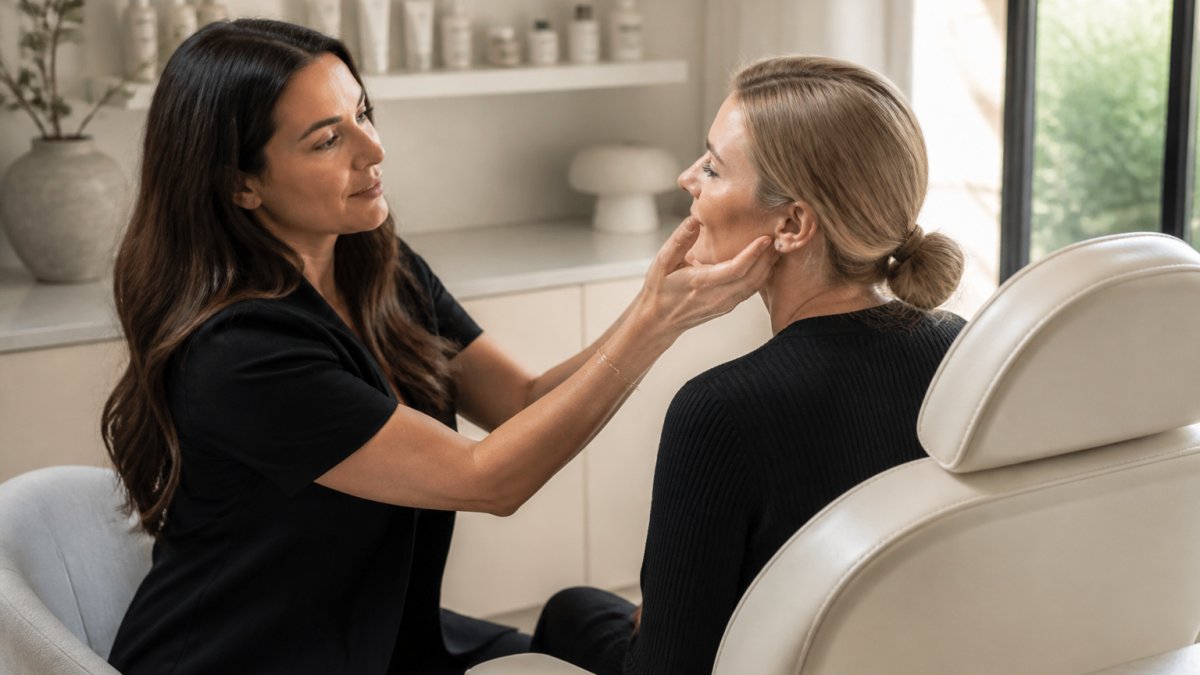
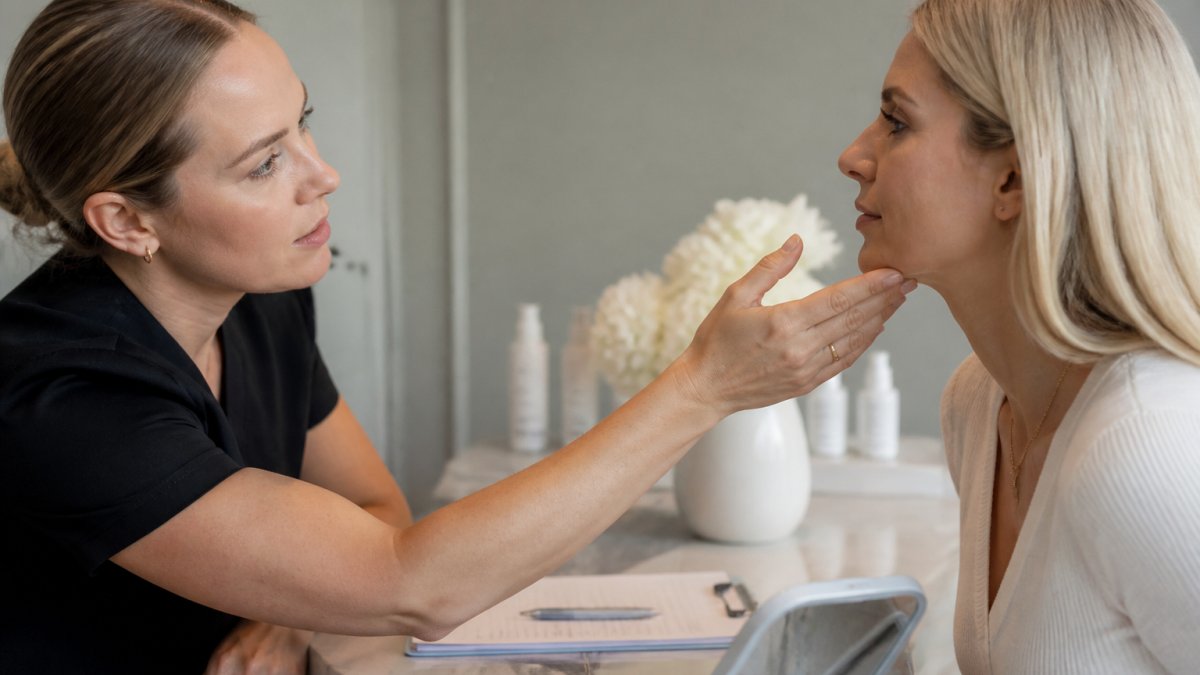
A skin rejuvenation consultation is a structured assessment, not a sales conversation. It covers your history, your concerns, and what your skin can realistically achieve.
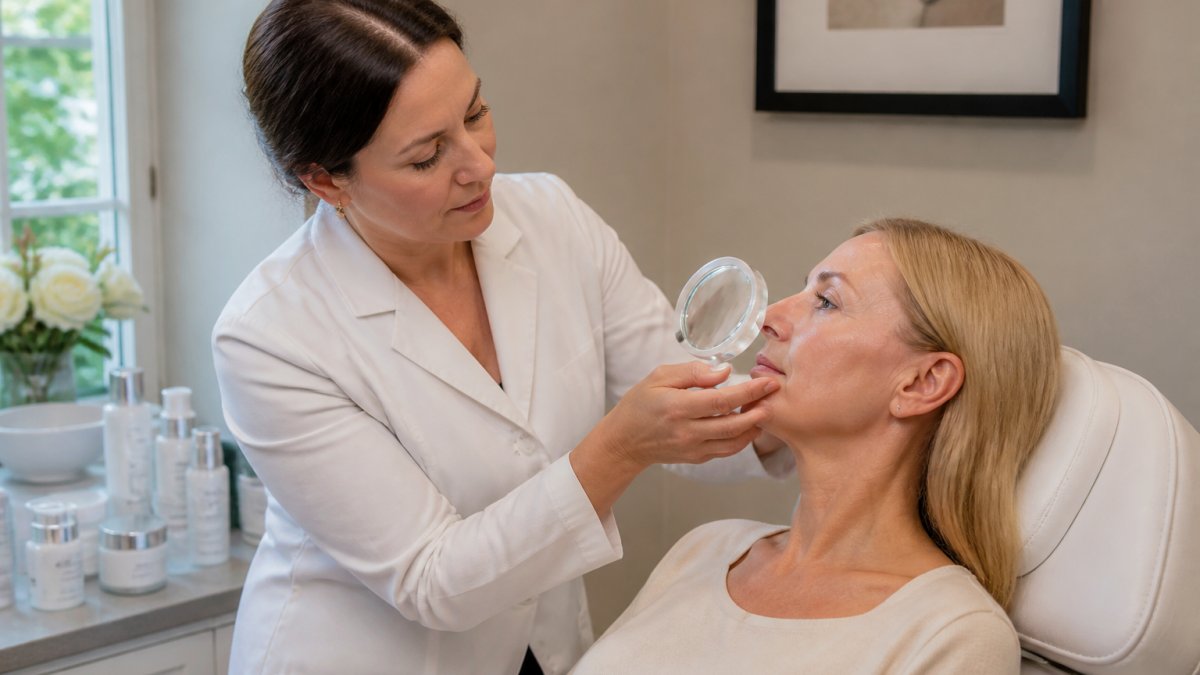
Here is what we cover in a private appointment:
- Medical and treatment history, including past aesthetic treatments and how your skin responded
- Skin assessment under magnification, looking at texture, pore size, hydration and tone
- Lifestyle factors such as sun exposure, sleep and current skincare routine
- Your priorities, including how much downtime you can accept
- Honest suitability advice, including when a treatment is not right for you
You should leave knowing what we recommend and what it will not fix. If a clinic cannot tell you the limitations, be cautious.
Building Your Personalised Skin Treatment Plan
A personalised skin treatment plan is a written sequence of treatments, home care and review points matched to your assessment findings. We build it in two stages: first we map your concerns, then we match treatments to them.
Assessing Texture, Tone, Fine Lines and Pores
Skin concerns rarely travel alone. Dull texture, uneven tone and enlarged pores often share the same underlying drivers: reduced collagen production, dehydration and cumulative sun exposure. Mapping them together stops you paying for treatments that target a symptom rather than the cause.
Matching Treatments to Your Concerns and Downtime
Downtime is the deciding factor for most busy professionals. A plan might pair microneedling for texture with a gentler facial treatment, spaced so you are presentable for work throughout.
| Concern | Typical Approach | Downtime to Expect |
|---|---|---|
| Dull texture and tone | Microneedling course, spaced sessions | A day or two of redness |
| Fine lines and wrinkles | Collagen stimulation treatments | Mild, short-lived |
| Acne scarring and enlarged pores | Staged microneedling programme | A few days per session |
| Under-eye rejuvenation | Gentle regenerative options | Minimal |
How to Choose Between Skin Rejuvenation Treatment Options
Choose based on your main concern, your downtime tolerance and the number of sessions you can commit to, not on which treatment sounds most advanced. A treatment that suits your skin and schedule beats a stronger one you cannot complete.
To make that decision concrete, it helps to compare the main categories side by side. The table below is a neutral starting point, not a recommendation, your assessment will refine it.
| Treatment category | Best suited to | Typical downtime | Evidence and limitations |
|---|---|---|---|
| Medical microneedling | Texture, acne scarring, enlarged pores, early firmness loss | A day or two of redness and mild sensitivity | Well researched for scarring and texture; needs a full course, not a single session |
| Collagen-stimulating treatments | Fine lines, crepey texture, overall firmness | Mild and short-lived | Evidence varies by modality; results build over months, not days |
| Regenerative options | Under-eye area, delicate skin, early ageing | Minimal | Growing evidence base; best for early concerns rather than deep laxity |
| Bespoke facials | Hydration, radiance, maintenance between stronger sessions | Usually none | Useful for skin health and upkeep; limited effect on structural concerns |
| Chemical peels | Pigmentation, dull tone, superficial texture | A few days of flaking depending on depth | Well established for tone; depth and aftercare determine safety |
Ask three questions of any option:
- What concern does this treat, specifically?
- How many sessions does a full course need?
- What happens if I stop halfway?
The third question separates honest clinics from optimistic ones. Partial courses often deliver partial results.
A common pattern is that readers arrive asking for the strongest treatment available, then discover a gentler option fits their calendar and skin better. Matching the treatment to the concern and the recovery window is the whole point of a programme.
Microneedling for Skin Rejuvenation: What It Can and Cannot Do
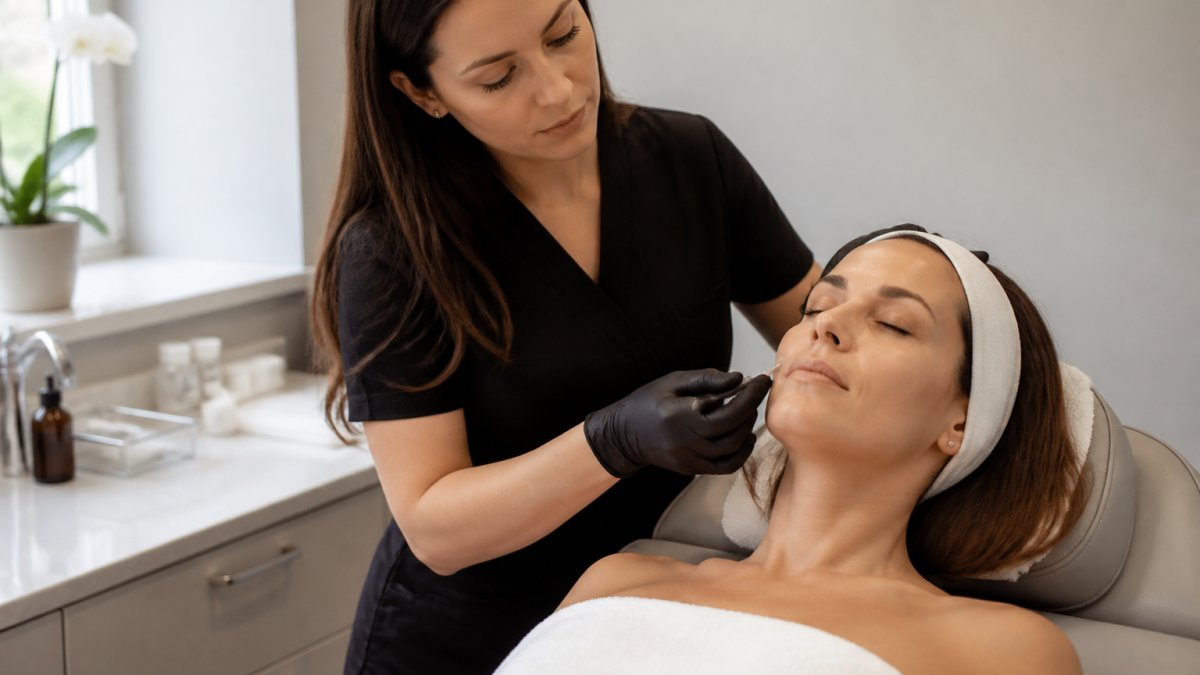
Microneedling for skin rejuvenation uses fine needles to create controlled micro-injuries in the skin, triggering collagen production as part of the healing response. It is one of the most researched non-surgical options for texture, scarring and pore appearance.
What it does well: smooths rough texture, softens acne scars, refines enlarged pores and improves overall firmness over a course of sessions.
What it cannot do: replace volume, correct deep structural laxity, or deliver results in a single appointment. If you have had microneedling before without results, the usual reasons are too few sessions, insufficient depth for your concern, or no home-care support between appointments.
Book your consultation today →
Medical microneedling performed in a clinic is a different treatment from at-home rollers. Depth, technique and aftercare all affect outcomes.
Skin Rejuvenation Results and Aftercare: Timelines and Maintenance
Skin rejuvenation results build gradually because collagen remodels over weeks, not days. Most people notice early brightness, with texture and firmness changes appearing across the course.
What to Expect Week by Week
- Days 1 to 3: redness and mild sensitivity, settling quickly
- Weeks 2 to 4: early improvement in radiance and hydration
- Weeks 6 to 12: visible changes in texture, tone and fine lines
- Months 3 to 6: peak collagen-related firmness, followed by maintenance planning
At-Home Skincare That Supports Clinic Results
Clinic work and natural skincare work together. A simple routine built around a gentle cleanser, a barrier-supporting moisturiser and daily SPF protects your investment. The NHS guidance on sun safety and skin protection is a sensible baseline for anyone investing in skin health.
Avoid introducing strong actives in the week after treatment unless your practitioner advises otherwise.
Risks, Suitability and Realistic Outcomes
No aesthetic treatment is risk-free. Microneedling and regenerative treatments can cause temporary redness, swelling, bruising and, rarely, infection or changes in pigmentation. Suitability depends on your skin type, medical history and any medication that affects healing.
We will not treat active skin infections, and we may ask you to pause certain medications. If you have a history of keloid scarring or are pregnant, tell your practitioner at consultation.
Realistic outcomes mean improvement, not transformation. Skin looks fresher, smoother and more even. It does not look like a different face, and that is the point.
The General Medical Council's guidance on cosmetic procedures sets out the standards patients should expect from any clinician, including honest consent conversations. The Care Quality Commission registers and monitors clinics providing regulated care.
What a Personalised Programme Costs and How to Book
Pricing for a personalised programme depends on your assessment, the treatments selected and the number of sessions in your course. Because every plan is built individually, we provide a quote after consultation rather than publishing a single figure that would not apply to most patients.
What we can do is explain how a course is structured and what drives the total, so you can budget before you book.
What drives the total cost
- Consultation and assessment, a one-off fee that includes your written plan and suitability advice.
- Number of sessions, a full course typically runs across several months; more sessions means a higher total but a lower cost per session in many clinics.
- Treatment type, microneedling, collagen stimulation and regenerative options sit at different price points because of the technology, consumables and clinician time involved.
- Combination planning, pairing a stronger treatment with a gentler maintenance facial can be more cost-effective than repeating the stronger option alone.
- Review appointments, some programmes include progress reviews; ask whether these are bundled or charged separately.
A sample programme structure
A typical personalised programme might include:
- Initial consultation and skin assessment
- A course of three to six treatment sessions, spaced according to the treatment and your recovery window
- A review at the midpoint to adjust intensity
- A final review with a maintenance plan
We will confirm the full cost of your recommended course in writing before you commit, and you will know what each session involves. If a clinic cannot give you a total course cost and a written plan, treat that as a warning sign.
To book, visit our treatments page or contact us to arrange your consultation. We will assess your skin, explain your options honestly, and build a plan around your concerns and your calendar.
Frequently Asked Questions
What does a personalised skin rejuvenation programme include?
A personalised programme starts with a full skin assessment and consultation, then combines a treatment plan matched to your concerns with a home skincare routine and scheduled review appointments. It may include microneedling, regenerative options or bespoke facials, depending on your skin. The aim is a coherent course rather than isolated sessions, so each appointment builds on the last. Your practitioner should explain the number of sessions, spacing and expected timeline before you commit, and adjust the plan as your skin responds.
How many skin rejuvenation treatments might I need?
Most courses involve several sessions rather than one, with spacing set by the treatment type and how your skin responds. Collagen stimulation builds gradually, so results depend on a course completed over weeks or months, followed by maintenance appointments. Your personalised skin treatment plan should state the proposed number of sessions and review points up front. Ask what happens if you miss a session and how maintenance is scheduled afterwards, so you can judge the full commitment before booking.
How long until I see skin rejuvenation results?
Some people notice improved radiance and hydration within days of a treatment, while changes in texture, fine lines and firmness typically develop over weeks as collagen production responds. Acne scars and enlarged pores usually need a longer course before visible change. Photographs taken at consistent lighting help you judge progress honestly. Your practitioner should set realistic expectations at consultation and review results at agreed intervals rather than promising a fixed outcome date.
What questions should I ask before booking a skin treatment?
Ask who will carry out the treatment and what their qualifications are, which treatments suit your concerns and why, how many sessions are proposed and at what cost, and what downtime and risks apply. Ask how the clinic handles complications and what aftercare is included. If you have had disappointing microneedling elsewhere, ask how their technique or plan differs. A clinic confident in its approach will answer plainly and tell you when a treatment is not right for you.
Your skin deserves more than a guess. If you are tired of treatments that promise everything and deliver little, book a consultation with Exclusive Medical Aesthetics and get a plan built on assessment, evidence and honest advice. Our advanced clinical expertise, personalised care and evidence-based approach are designed to deliver elegant, natural-looking results. Book your consultation today and find out what your skin actually needs.