 ultimate-guide
Finding Subtle Anti-Aging Treatments: A 2026 Guide
Table of Contents
- What Defines Subtle Anti-Aging Treatments
- Natural-Looking Anti-Ageing Treatments That Enhance Without Obvious Change
- Non-Surgical Anti-Ageing Treatments: Options and Expectations
- How to Avoid Looking Overdone After Fillers and Other Treatments
- Anti-Ageing Treatment Consultation Questions to Ask Your Practitioner
- Choosing the Right Subtle Treatment for Your Skin
- Frequently Asked Questions
Last Updated: October 8, 2026
What Defines Subtle Anti-Aging Treatments
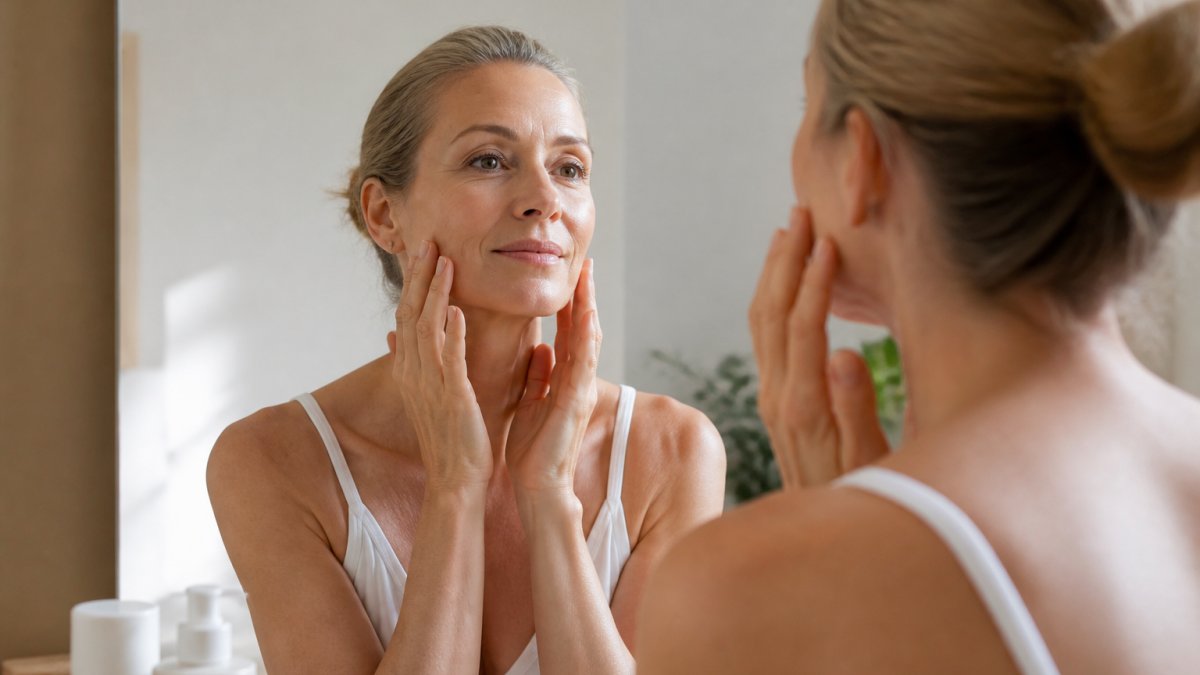
Subtle anti-aging treatments are clinical interventions designed to refresh your appearance while maintaining your natural look. The goal isn't transformation, it's enhancement. You should look like a better version of yourself, not like you've had obvious work done.
At Exclusive Medical Aesthetics, we understand that the most effective anti-aging approach is one that respects your individual features and enhances what's already there. A subtle treatment corrects specific concerns, fine lines, lost volume, skin texture, without crossing into the territory of looking "done." The difference between subtle and obvious often comes down to restraint, precision, and a deep understanding of facial anatomy.
What makes a treatment subtle? Three things matter most. First, the result should be gradual enough that people notice you look refreshed, not that you've had a procedure. Second, the treatment should address your actual concern rather than applying a one-size-fits-all approach. Third, the practitioner must understand that less product, applied strategically, almost always outperforms aggressive treatment.
Common misconceptions exist about what subtle means. It doesn't mean ineffective. A well-placed treatment that addresses one specific area can transform how you look without anyone being able to pinpoint what changed. It also doesn't mean avoiding professional treatments in favour of skincare alone, sometimes professional intervention is exactly what delivers natural results.
Natural-Looking Anti-Ageing Treatments That Enhance Without Obvious Change
Natural-looking anti-ageing treatments work by targeting the specific signs of ageing without altering your fundamental appearance. The principle is simple: address the problem, not the face.
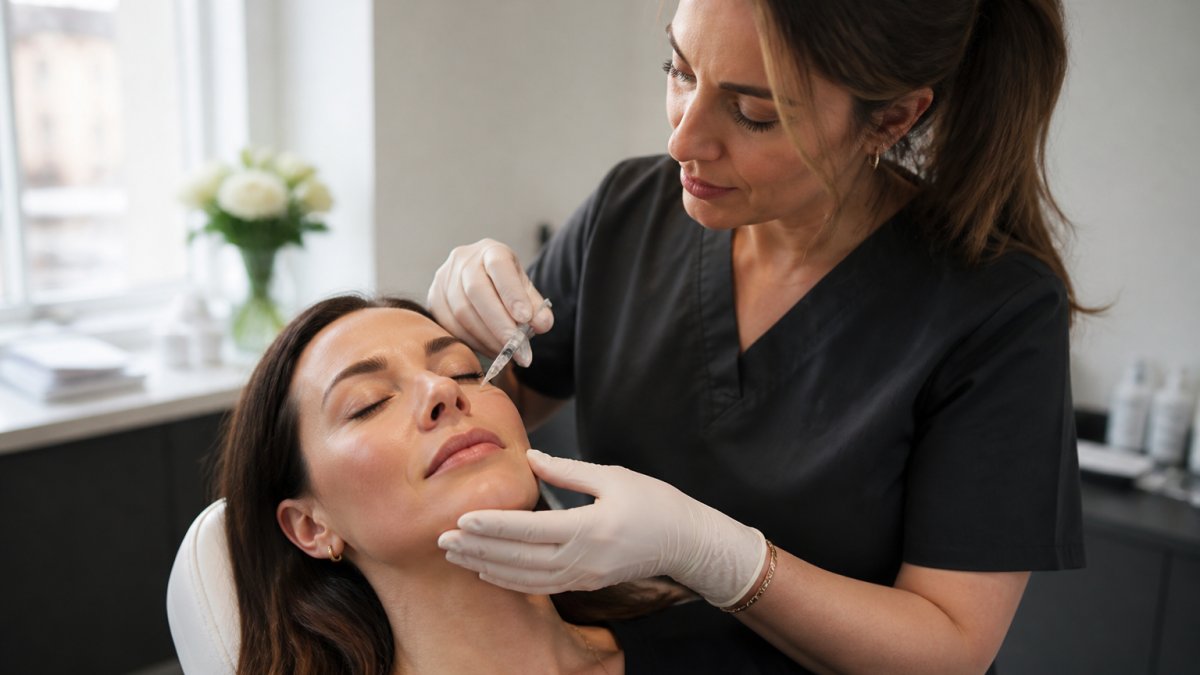
The most effective natural-looking treatments fall into a few categories. Treatments that restore volume work well because they address the underlying cause of many age-related changes, the loss of collagen and fat that happens over time.
Skin quality treatments are equally important. Fine lines, texture changes, and uneven tone often matter more to how old you look than volume loss alone.
The key to natural results is placement and proportion. A subtle treatment in the right location creates harmony across your face. Overfilled lips or cheeks, for example, break facial balance and immediately signal that work has been done.
Timing also matters. Preventative treatments started earlier, in smaller doses, often produce more natural cumulative results than waiting until significant changes are needed and then correcting them aggressively. Your skin and face respond better to consistent, modest interventions than to dramatic corrections.
Non-Surgical Anti-Ageing Treatments: Options and Expectations
Non-surgical treatments offer the advantage of minimal downtime and reversibility in many cases. Understanding what each type does, and what it doesn't, helps you choose the right option for your concerns.
Topical treatments and skincare
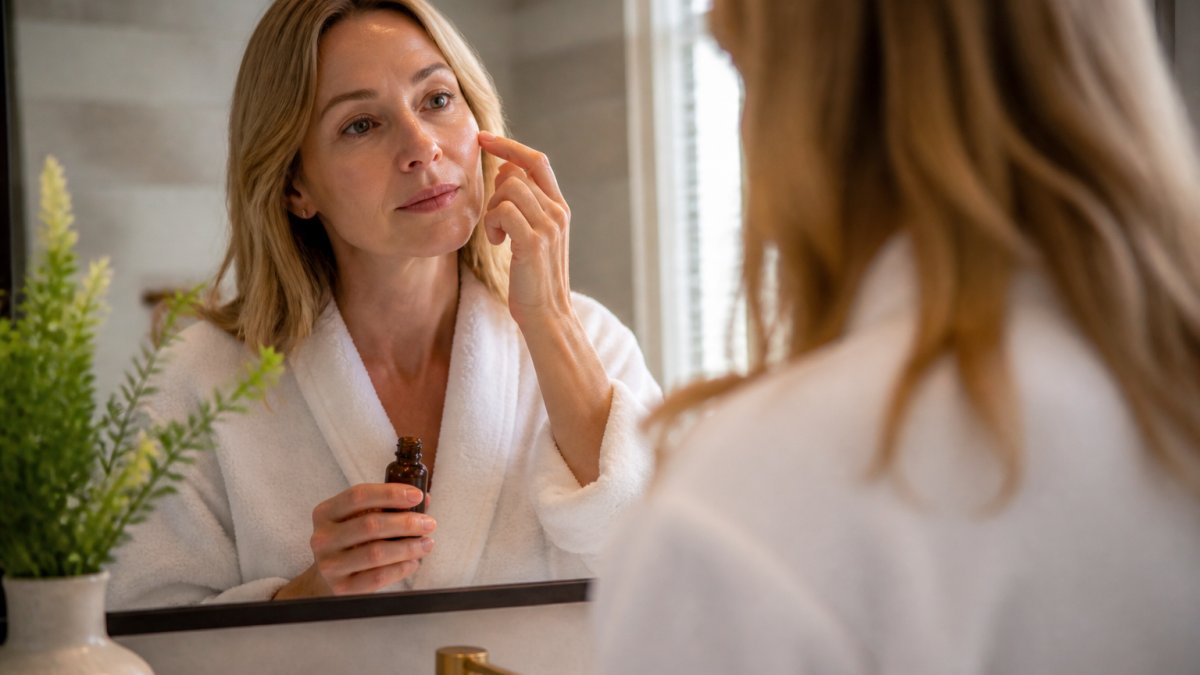
Topical treatments form the foundation of any anti-ageing routine. Retinoids, vitamin C serums, peptides, and hyaluronic acid all work to improve skin quality, reduce fine lines, and boost radiance. These treatments work gradually, typically showing visible results after 6-12 weeks of consistent use.
Retinoids are among the most evidence-backed anti-ageing ingredients. They work by increasing cell turnover and stimulating collagen production. Starting with a lower strength and building tolerance prevents irritation while allowing your skin to adapt. Many people see improvements in fine lines, texture, and overall skin brightness.
The limitation of topical treatments is that they work best on the epidermis and superficial dermis. They can't restore lost volume, tighten loose skin, or address deeper structural changes. For those concerns, professional treatments become necessary. That said, a strong skincare routine amplifies the results of professional treatments and maintains them between appointments.
Professional in-clinic treatments
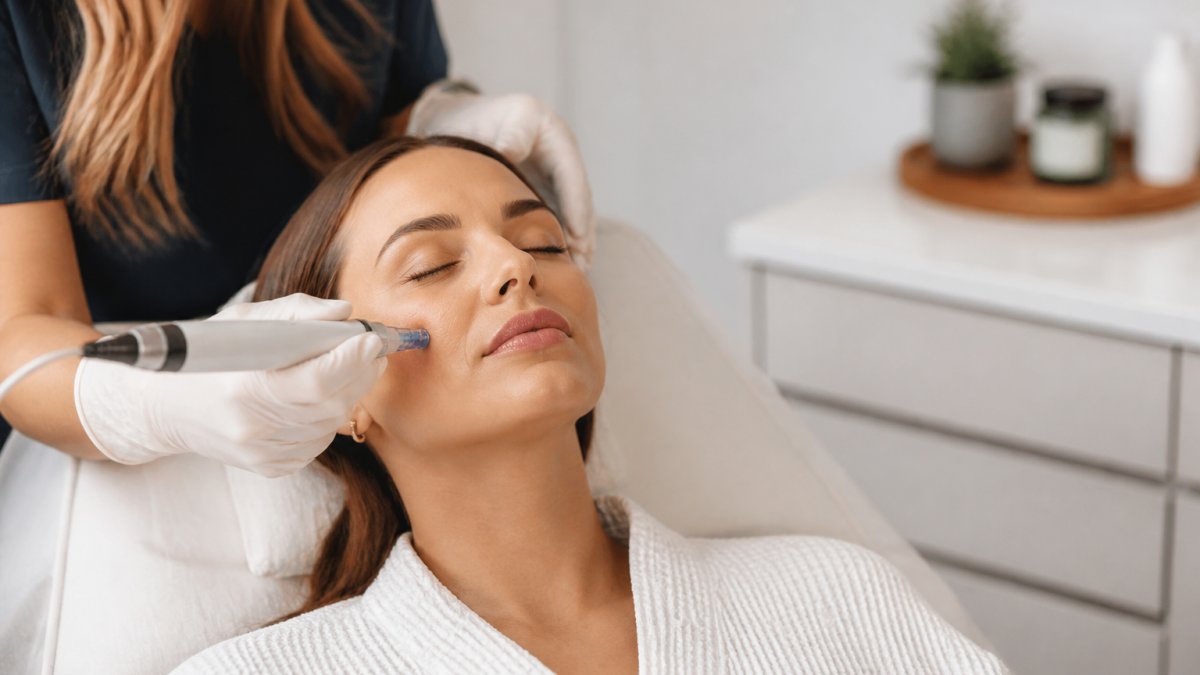
Professional treatments address concerns that topical products cannot reach. Microneedling creates controlled micro-injuries that stimulate collagen remodelling. Results develop gradually over weeks as your skin rebuilds collagen, making the improvement look natural rather than sudden.
Chemical peels improve skin texture and tone by removing damaged outer layers and stimulating renewal. Lighter peels can be done frequently with minimal downtime. Deeper peels create more dramatic results but require longer recovery. The depth you choose depends on your concerns and how much downtime you can tolerate.
Laser treatments address specific concerns, pigmentation, texture, fine lines, by targeting different skin layers depending on the wavelength used. Results vary based on the type of laser and your skin type. Fractional lasers create microscopic treatment zones, leaving untreated skin between them to heal faster, which allows for quicker recovery than traditional ablative lasers.
Injectable treatments, dermal fillers and muscle-relaxing injections, work through different mechanisms. Fillers restore volume and can be placed to enhance natural contours. Muscle-relaxing injections smooth dynamic lines by reducing muscle movement. Both require skill in placement to look natural. The most common mistake is using too much product or placing it incorrectly.
How to Avoid Looking Overdone After Fillers and Other Treatments
The fear of looking overdone is legitimate. It happens when practitioners prioritise visible change over natural enhancement, or when patients request more product than their face can accommodate.
Start with conservative amounts. Your practitioner should discuss realistic expectations before treatment. A good approach is to treat conservatively at first, then add more at a follow-up appointment if needed. This prevents overcorrection and gives you time to adjust to changes.
Understand the difference between correction and enhancement. Correcting a specific loss of volume is different from enhancing features that are already present. Correction should restore proportion. Enhancement should be subtle, a slight lift or definition, not a dramatic change.
Ask your practitioner about their approach to facial balance. The best results come from someone who thinks about your whole face, not just the area being treated.
Recovery appearance matters too. Swelling and bruising after treatment can make results look more dramatic than they actually are. Most swelling resolves within a few days. Avoid judging final results until at least two weeks post-treatment.
Book your consultation today →
Watch for warning signs during consultation. If a practitioner suggests extensive treatment, pushes for more product than you're comfortable with, or dismisses your concerns about looking natural, find someone else. Your instinct about whether someone understands restraint is usually correct.
Anti-Ageing Treatment Consultation Questions to Ask Your Practitioner
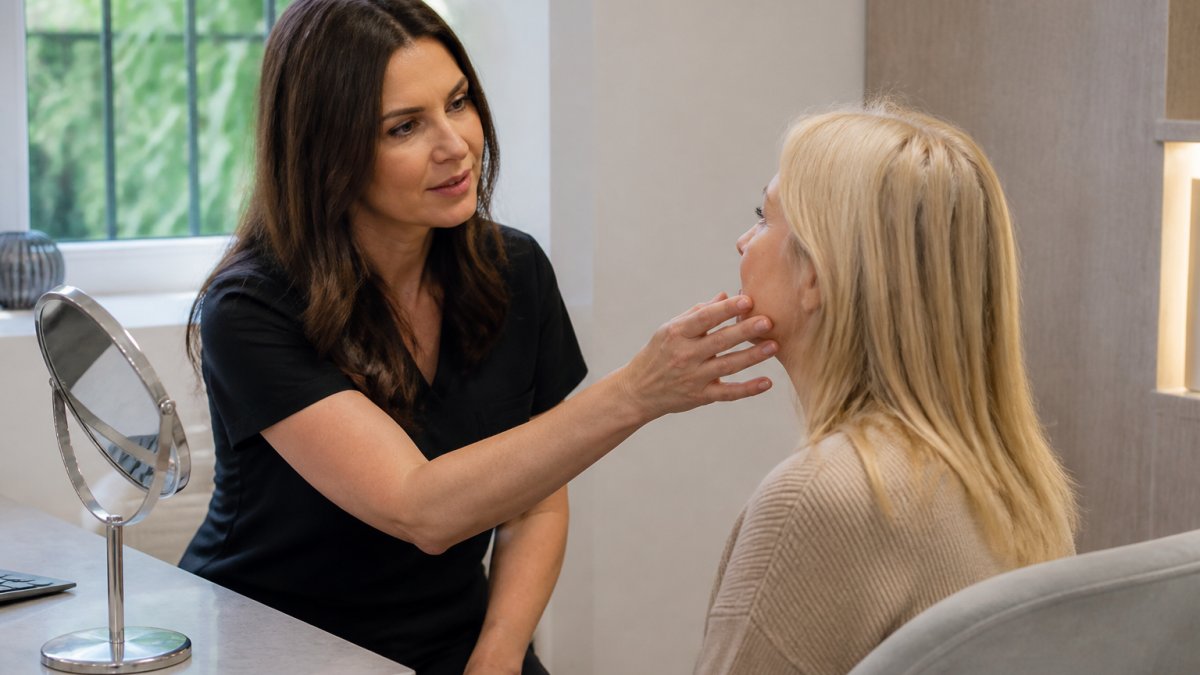
A good consultation reveals whether your practitioner understands subtle treatment. The questions you ask matter as much as the answers you receive.
Ask what specific concern they're addressing. A vague answer like "we'll refresh your face" is a red flag.
Inquire about their philosophy on natural results. How do they define natural? What's their approach to product quantity and placement? Ask to see before-and-after photos of patients with similar concerns to yours.
Ask about reversibility. For injectable treatments, what happens if you don't like the result? Can it be dissolved or adjusted? Understanding your options for correction gives you confidence going in.
Request a timeline for results. Different treatments work on different timelines. Some show results immediately; others develop over weeks as collagen remodels. Knowing what to expect prevents disappointment if results aren't instant.
Discuss maintenance. How often will you need treatment? What's the cost of ongoing appointments? Some treatments require regular maintenance; others last longer between appointments. This affects your long-term commitment and budget.
Ask about contraindications and risks specific to you. Do you have any medical conditions or medications that affect treatment suitability? A thorough practitioner asks detailed health questions and explains why they matter.
Choosing the Right Subtle Treatment for Your Skin
Choosing the right treatment starts with identifying your actual concern. "I want to look younger" is too broad. Are you bothered by fine lines, loss of volume, skin texture, or a combination?
Your skin type and tone influence which treatments work best for you. Some laser treatments carry more risk of pigmentation changes in darker skin tones. Some injectables work better in certain face shapes.
Consider your lifestyle and downtime tolerance. Some treatments require no downtime; others involve swelling, redness, or flaking for days. If you can't afford visible recovery, choose treatments with minimal downtime.
Your budget matters too, but it shouldn't drive the decision alone. A less expensive treatment that doesn't address your concern wastes money. A more expensive treatment that delivers the result you want is an investment.
Start with one treatment if you're new to professional anti-ageing care. This lets you see how your skin responds, assess results, and build confidence before combining treatments. Many people find that addressing one specific concern creates a noticeable improvement that feels natural and proportionate.
The difference between looking refreshed and looking overdone comes down to restraint, expertise, and understanding what you actually need. At Exclusive Medical Aesthetics, we specialise in subtle enhancements delivered through advanced clinical expertise and personalised care.
Frequently Asked Questions
What anti-ageing treatments look the most natural?
Treatments that work with your existing features rather than dramatically altering them tend to look most natural. Microneedling, chemical peels, and conservative use of dermal fillers, when administered by experienced practitioners, preserve facial structure while refreshing the skin. The key is choosing treatments tailored to your specific concerns and skin type, and working with a practitioner who understands subtle enhancement. Results appear gradual, which helps them integrate naturally into your appearance.
How can I avoid looking overdone after aesthetic treatment?
Start with a clear conversation with your practitioner about your goals and aesthetic preferences before treatment. Request conservative initial doses, you can always add more at a follow-up appointment. Choose practitioners experienced in subtle work rather than dramatic transformations. Avoid multiple invasive treatments simultaneously. Allow adequate healing time between procedures. Be realistic about what subtle treatments can achieve; they enhance rather than transform. A skilled practitioner will prioritise balance and proportion over filling every line.
Which non-surgical treatments can subtly refresh the face?
Non-surgical options include microneedling, which stimulates collagen production over several weeks; chemical peels, which improve texture and tone; radiofrequency treatments, which tighten skin gradually; and conservative dermal filler use for volume restoration. Topical treatments with retinoids and vitamin C support skin health over time. Combination approaches, such as microneedling followed by tailored skincare, often deliver more noticeable results than single treatments. The best choice depends on your specific concerns, skin condition, and desired timeline.
What should I ask a practitioner before having an aesthetic treatment?
Ask about their experience with subtle results and how they define natural-looking outcomes. Request to see before-and-after photos of similar cases. Clarify downtime, expected results timeline, and any risks or contraindications. Ask what happens if you're unhappy with results and whether follow-up adjustments are included. Discuss your aesthetic goals in detail and ask if the practitioner thinks the treatment is right for you, or if they'd recommend something different. A trustworthy practitioner will be honest if a treatment isn't suitable for your needs.
How long do non-surgical facial rejuvenation treatments last?
Duration varies significantly by treatment type. Dermal fillers typically last 6-18 months depending on product and location. Microneedling results improve over 3-6 months as collagen builds, with effects lasting 6-12 months. Chemical peels show immediate results but require maintenance peels for sustained improvement. Radiofrequency treatments may require multiple sessions, with results developing over weeks to months. Topical treatments require consistent daily use to maintain benefits. Your practitioner will discuss realistic timelines and recommend maintenance schedules tailored to your treatment plan.
Can skincare help delay the visible signs of ageing?
Yes. A consistent skincare routine using evidence-based ingredients can meaningfully slow visible ageing. Retinoids stimulate cell turnover and collagen production; vitamin C and niacinamide provide antioxidant protection; sunscreen prevents UV damage, which accelerates ageing; and hydrating ingredients support skin barrier function. Results develop gradually over weeks to months, but a quality routine can reduce fine lines, improve texture, and maintain skin health. Skincare works best as prevention and maintenance alongside professional treatments, not as a replacement for them.
How do I know if a practitioner understands subtle anti-aging treatment?
Look for practitioners who ask detailed questions about your goals and concerns before recommending treatment. They should explain why a particular approach suits your face and show before-and-after photos demonstrating natural results. They'll discuss conservative starting points and follow-up options rather than pushing aggressive treatment plans. They'll be honest if they think a treatment isn't right for you. Professional credentials, advanced training in aesthetic medicine, and a portfolio emphasising subtle work are good indicators of expertise in natural-looking results.
What's the difference between preventative and corrective anti-aging treatments?
Preventative treatments, such as sunscreen, retinoids, and regular skincare, slow visible ageing and maintain skin health before significant lines or volume loss appear. They're ideal for those in their 30s and 40s seeking to maintain a youthful appearance. Corrective treatments address established concerns like lines, wrinkles, and volume loss. Many people benefit from combining both: preventative daily skincare and maintenance professional treatments to address emerging concerns subtly. Starting preventative care early often reduces the need for more intensive corrective treatments later.