 how-to
Downtime for Non Surgical Procedures: A 2026 Guide
Table of Contents
- What Downtime Really Means After a Non Surgical Procedure
- Non-Surgical Treatments With No Downtime
- Downtime After Botox: What to Expect Hour by Hour
- Downtime After Dermal Fillers: Swelling, Bruising and Settling
- Procedure-by-Procedure Downtime Comparison
- How to Reduce Downtime After Cosmetic Procedures
- Planning Around Work, Exercise, Travel and Social Events
- Choosing a Non Surgical Procedure That Fits Your Schedule
- Frequently Asked Questions
Last Updated: October 7, 2026
What Downtime Really Means After a Non Surgical Procedure
Downtime for non surgical procedures is the time between your appointment and the point where you feel comfortable being seen in public, at work, or at the gym.
That last point matters more than most clinics admit. Two people can have the same treatment on the same day and heal on completely different timelines. One returns to the office the next morning.
At Exclusive Medical Aesthetics, we see this range constantly. We plan every treatment around it.
So what actually drives downtime? Three things:
- What was done. Injectables settle fast. Resurfacing treatments do not.
- How intense it was. A light session heals quicker than an aggressive one.
- How you heal. Some people bruise easily. Others barely swell.
The good news: most non-surgical treatments are chosen precisely because they need little to no downtime. But "minimal downtime" is not the same as "no downtime," and knowing the difference helps you plan properly.
This guide breaks down downtime for non surgical procedures by treatment, hour by hour and day by day.
Non-Surgical Treatments With No Downtime
The treatments with no downtime are the injectables and most light skin treatments. You can have them done and return to normal activities the same day. The catch is that "no downtime" means no time off, not no visible effects.
Here is what typically falls into this group:
- Anti-wrinkle injections to the upper face, which soften expression lines
- Dermal fillers for volume, though mild swelling is common
- Skin boosters that hydrate from within
- Light chemical peels that refresh the surface
- Medical-grade facials for general skin rejuvenation
With these, you can usually head straight back to work. Makeup is often fine after a short wait, depending on what you had done.
What most guides miss is that "no downtime" is a marketing phrase, not a clinical one. You will not need days off. You may still have a small red mark or a little tenderness. That is normal, and it fades.
If your schedule is tight, these are the treatments to ask about first. We will tell you honestly whether a treatment fits your week.
Downtime After Botox: What to Expect Hour by Hour
Downtime after Botox is minimal, and most people return to work straight after the appointment. You may see tiny raised bumps at the injection points, but these settle within about 20 minutes.
Here is how the first day usually unfolds:
- Minutes 0-20: Small bumps at each injection site. These fade on their own.
- Hours 1-4: Mild redness or tenderness. You can wear makeup if you wish.
- Hours 4-24: Most people notice nothing at all. Results have not started yet.
- Days 2-3: The muscle-relaxing effect begins to appear.
- Days 10-14: Full effect is visible. This is the point to judge results.
The one thing to avoid is lying flat or rubbing the area for the first few hours. That is the main aftercare rule, and it is simple to follow.
A common mistake is booking a big event on the same day. You will look fine, but you will not see the result yet, and you may worry for nothing. Book injections at least two weeks before anything important.
Downtime After Dermal Fillers: Swelling, Bruising and Settling
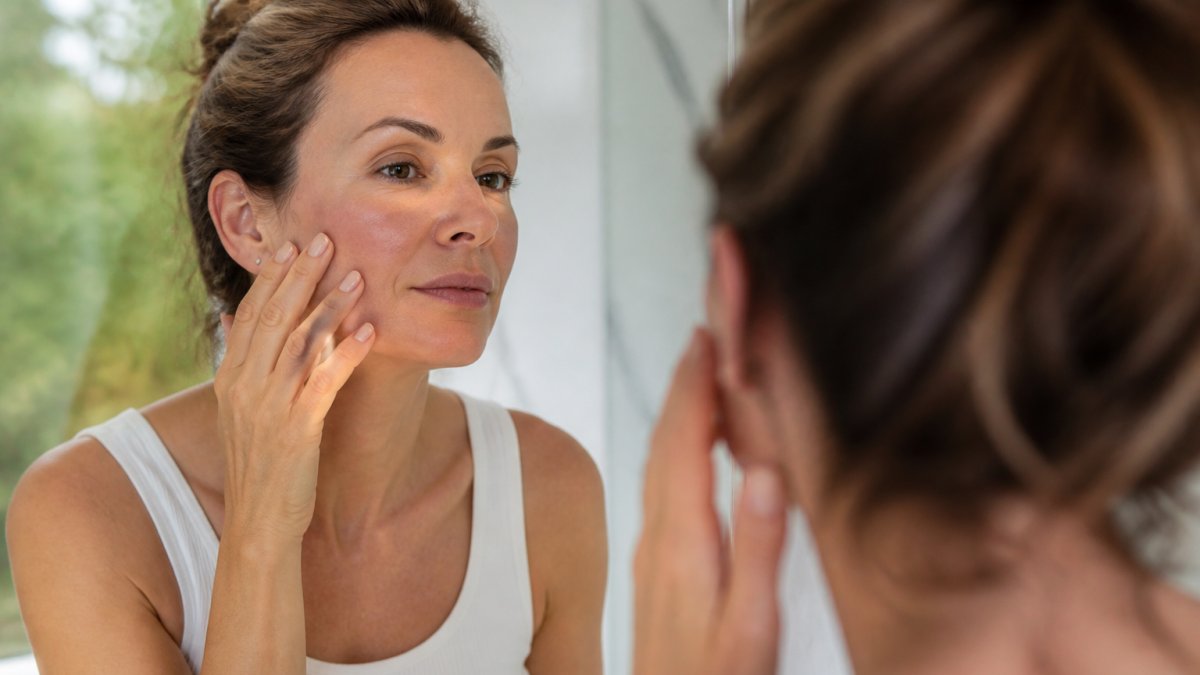
Downtime after dermal fillers is usually one to three days, though some swelling can last a little longer depending on the area treated. Lips and under-eyes tend to swell more than cheeks or jawlines.
What to expect in the first week:
- Day 1: Swelling and possibly small bruises at the injection points
- Days 2-3: Swelling peaks, then starts to settle
- Days 4-7: Most bruising fades; filler begins to integrate
- Week 2: Final result becomes clear
Cold packs help in the first 24 hours. Arnica cream is a popular option for bruising, though evidence for it is mixed.
Fillers settle into the tissue over about two weeks. If something looks slightly uneven on day three, that is often just swelling, not the final result. Give it time before judging.
Procedure-by-Procedure Downtime Comparison
The table below separates four things most guides blur together: how long visible effects last, how much time off work you may need, when you can exercise, and when the full result appears. These are typical ranges for healthy adults. Your own recovery may be shorter or longer.
| Treatment | Visible Effects | Time Off Work | Back to Exercise | Full Result |
|---|---|---|---|---|
| Anti-wrinkle injections | Tiny bumps, mild redness (hours) | None | Same day | 10-14 days |
| Dermal fillers | Swelling, possible bruising (1-3 days) | 0-1 day | 24-48 hours | 2 weeks |
| Skin boosters | Redness, small bumps (1-2 days) | None | 24 hours | 2-4 weeks |
| Microneedling | Redness like sunburn (2-4 days) | 1-2 days | 3-5 days | 4-6 weeks |
| Light chemical peel | Mild flaking (3-5 days) | 1-2 days | 2-3 days | 1-2 weeks |
| Laser skin resurfacing | Redness, swelling (5-10 days) | 3-7 days | 1-2 weeks | 4-6 weeks |
| Non-surgical fat reduction | Swelling, tenderness (3-7 days) | None | 2-3 days | 8-12 weeks |
| Non-surgical rhinoplasty | Swelling, possible bruising (5-10 days) | 0-1 day | 48 hours | 2-4 weeks |
The pattern is clear: the more the treatment does, the more recovery it needs. But the table is a starting point, not a promise. Several factors shift your personal timeline.
What changes your timeline
- Treatment intensity. A light microneedling session at a shallow depth heals faster than a deeper session targeting scarring. The same applies to peels: a superficial glycolic peel is not the same as a medium-depth TCA peel.
- Skin tone and sensitivity. People with darker skin tones or a history of post-inflammatory hyperpigmentation may need longer for redness to settle and should discuss this at consultation. Fair, reactive skin may flush for longer after resurfacing.
- Medications and supplements. Blood thinners, aspirin, ibuprofen, fish oil and high-dose vitamin E can all increase bruising. Mention everything you take.
- Health and healing history. Smoking, poorly controlled diabetes, and a history of slow healing all extend downtime.
- Area treated. Lips and under-eyes swell more than cheeks or jawlines. The neck and décolletage are more sensitive than the forehead.
A common pattern is that people who bruise easily after blood tests also bruise easily after fillers. If that is you, build in extra buffer before any event.
Book your consultation today →
How to Reduce Downtime After Cosmetic Procedures
You can shorten downtime after cosmetic procedures with a few practical steps. None of them are complicated, but they make a real difference.
- Avoid alcohol for 24 hours before and after. It thins the blood and increases bruising.
- Skip blood-thinning painkillers such as aspirin and ibuprofen, unless a doctor has told you to take them.
- Use cold packs for the first day to calm swelling.
- Sleep with your head raised for the first night or two.
- Stay out of saunas and hot baths for 48 hours.
- Wear SPF 50 daily. Freshly treated skin burns easily.
- Keep the area clean and follow the aftercare advice you are given.
Some supplements, including fish oil and high-dose vitamin E, can also increase bruising. Mention everything you take at your consultation.
If you notice severe pain, spreading redness, or skin that feels hot and tight, contact your clinic straight away. These are uncommon, but they need prompt attention.
Planning Around Work, Exercise, Travel and Social Events
Planning is where most people get this wrong. They focus on the treatment and forget the calendar. A little forward thinking removes almost all the stress. Here is how to translate downtime into a real schedule.
Work
- Injectables (anti-wrinkle, fillers): Book a late afternoon or Friday slot. You can return to work the next morning. If you have a client-facing role and bruise easily, allow one extra day.
- Microneedling or light peels: Aim for a Thursday or Friday so the weekend covers the visible redness. By Monday, most people look presentable with light makeup.
- Laser resurfacing: Plan for three to seven days away from a public-facing role. If you work from home, you may only need one or two days.
Exercise
Sweating and raised blood pressure increase swelling and bruising. Wait 24 hours after injectables, three to five days after microneedling or peels, and one to two weeks after laser resurfacing. Gentle walking is fine sooner; intense cardio, weightlifting and hot yoga are not.
Travel
Flying soon after treatment is usually fine, but cabin air is dry and can slow healing. Give yourself a day or two before a long flight.
Social events
- Injectables: Allow two weeks after fillers so swelling settles and the result matures. Anti-wrinkle injections need 10-14 days for full effect.
- Skin treatments: Allow four to six weeks after resurfacing. That window lets redness fade and results become clear.
- Body contouring: Allow eight to twelve weeks for the full result, though you can attend events sooner if you are comfortable with mild swelling.
A simple rule: the bigger the event, the earlier you book. If a wedding, holiday or photo shoot is on the horizon, work backwards from that date.
Choosing a Non Surgical Procedure That Fits Your Schedule
The right treatment is the one that delivers the result you want within the time you actually have.
Bring three things to your consultation:
- Your goal, described in plain terms
- Your next big event or commitment
- How much visible recovery you can accept
With those answers, we can recommend a plan that works. Sometimes that means starting small with an injectable. Sometimes it means spacing treatments over several months so you are always socially presentable.
Evidence quality matters here too. Results vary between treatments, and some deliver more reliable change than others.
Downtime for non surgical procedures does not have to disrupt your life.
At Exclusive Medical Aesthetics, we plan every treatment around your calendar and your comfort. Our approach combines advanced clinical expertise, personalised care, and evidence-based treatments to deliver elegant, natural-looking results.
Book your consultation today and find a treatment plan that fits your life.
Frequently Asked Questions
How long is the downtime for Botox?
Downtime after Botox is minimal for most people. You can return to work and normal activities the same day. Small red bumps at the injection sites usually settle within 30 minutes to a few hours, and mild bruising affects a minority of patients and fades over a few days. Results begin to appear within 2 to 3 days, with the full effect at around 14 days. Avoid strenuous exercise, alcohol and lying flat for the first 4 hours, and skip facials or massage for 24 hours.
Which non-surgical cosmetic treatments have the least downtime?
Non-surgical treatments with no downtime include Botox, most dermal fillers, and skin boosters, all of which let you return to normal activities immediately. Chemical peels and microneedling typically involve 1 to 3 days of redness, while skin resurfacing and fat reduction can need 3 to 7 days. If your schedule is tight, injectables and light-based treatments are usually the easiest to fit around work, though a consultation will confirm what suits your skin.
What is the downtime for a non-surgical nose job?
A non-surgical rhinoplasty uses dermal fillers to reshape the nose and usually involves little to no downtime. Most people return to work the same day. Expect possible swelling and bruising around the bridge for 2 to 3 days, with the full effect visible once swelling settles at around 1 to 2 weeks. Avoid glasses resting on the bridge, strenuous exercise and facial massage for 24 to 48 hours. Results typically last 6 to 18 months depending on the product used.
How can I reduce downtime after a cosmetic treatment?
Plan your treatment at least two weeks before a big event. Stop alcohol, aspirin and anti-inflammatory painkillers for 24 to 48 hours beforehand if your clinician agrees, as these increase bruising. Keep the area clean, sleep with your head elevated on the first night, and use a cold pack wrapped in a cloth for short intervals. Avoid saunas, hot yoga, intense exercise and facials for 24 to 48 hours, and follow the aftercare instructions your practitioner gives you.