 blog
10 Best Aesthetic Treatments for Natural Glow
Table of Contents
- The 10 Best Aesthetic Treatments for Natural Glow
- 1. Chemical Peels: The Chemical Peel for Glowing Skin
- 2. Microneedling: Microneedling for Skin Glow and Texture
- 3. Skin Boosters for Hydration: Injectable Moisture
- 4. HydraFacial and Oxygen Facials: Best Facial Treatments for Glowing Skin
- 5. LED Light Therapy: Calming, Collagen-Boosting Light
- 6. Dermal Fillers and Anti-Wrinkle Injections: Subtle Rejuvenation
- 7. Profhilo and Polynucleotides: Advanced Hydration and Repair
- 8. Radiofrequency and Ultrasound Tightening: Non-Invasive Lifting
- Safety, Downtime, and Realistic Results: What to Expect
- Personalised Plans and Total Cost
- Frequently Asked Questions
Last Updated: October 21, 2026
The 10 Best Aesthetic Treatments for Natural Glow
A natural glow comes from healthy skin barrier function, steady collagen production and good hydration, not from a single dramatic procedure. At Exclusive Medical Aesthetics, we see the best aesthetic treatments for natural glow as a layered plan: resurfacing, hydration, collagen stimulation and subtle rejuvenation, chosen to suit your skin rather than a trend.
Below, we rank ten treatments by what they actually do, who they suit, and what recovery really looks like. Most people need two or three, not ten.
1. Chemical Peels: The Chemical Peel for Glowing Skin
A chemical peel for glowing skin removes dull surface cells with an acid solution, revealing fresher skin underneath. Superficial peels using glycolic, lactic or mandelic acid target dullness, uneven tone and mild pigmentation.
Expect light flaking for a few days with a superficial peel. Deeper peels need longer recovery and carry more risk. The NHS information on skin treatments is clear that stronger peels should only be carried out by trained practitioners.
- Best for: dullness, dark spots, rough texture
- Downtime: 2-5 days of light flaking
- Course: usually 3-6 sessions, spaced 2-4 weeks apart
2. Microneedling: Microneedling for Skin Glow and Texture
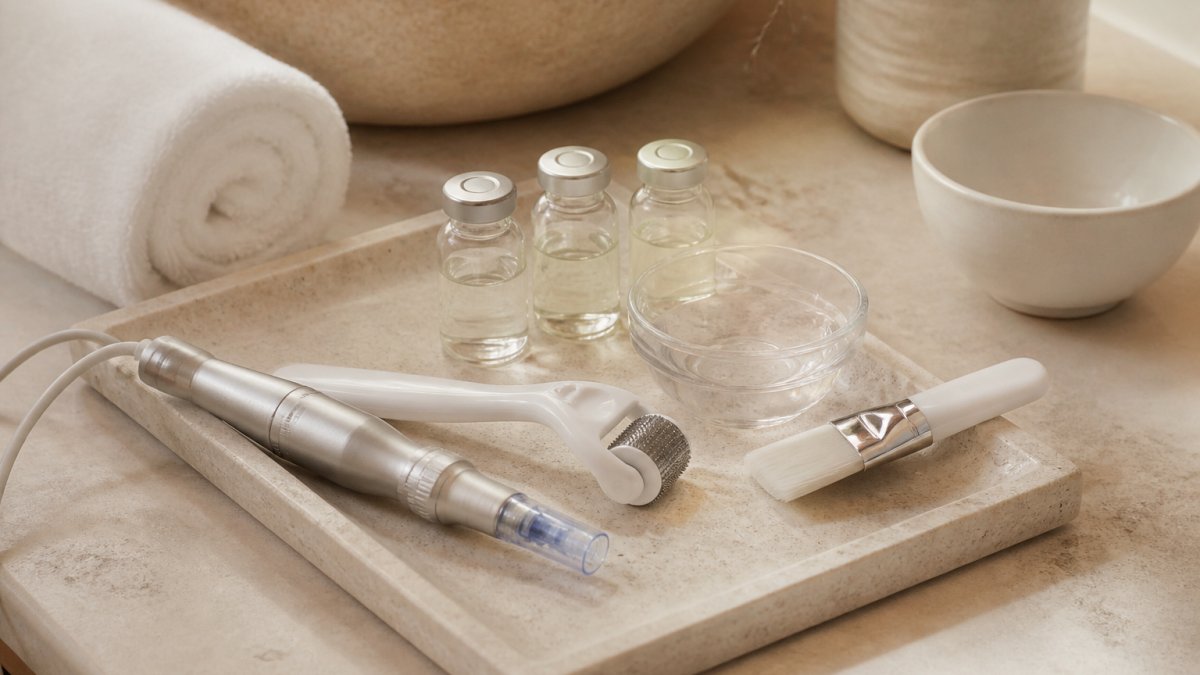
Microneedling for skin glow uses fine needles to create controlled micro-injuries, prompting collagen and elastin production. It suits acne scars, enlarged pores and fine lines better than peels alone.
Results build slowly. A common mistake is judging microneedling after one session. Skin quality typically improves over a course of three to six treatments, with collagen remodelling continuing for weeks afterwards.
3. Skin Boosters for Hydration: Injectable Moisture
Skin boosters for hydration are micro-injections of hyaluronic acid that draw water into the deeper skin layers. They improve skin quality, elasticity and that lit-from-within look rather than adding volume.
This is not a dermal filler. Nothing is sculpted or shaped. Most people need an initial course, then maintenance every few months to hold the result.
4. HydraFacial and Oxygen Facials: Best Facial Treatments for Glowing Skin
The best facial treatments for glowing skin combine cleansing, exfoliation and hydration in one session. HydraFacial-style treatments use a vortex tip to loosen and extract debris while simultaneously infusing serums; oxygen facials push serums in with pressurised oxygen. Both aim to plump the stratum corneum and leave skin looking fresher within hours.
How a HydraFacial-style session typically runs: cleanse and gentle peel, vortex extraction, then antioxidant and hyaluronic acid infusion. A full face usually takes 30-45 minutes. Oxygen facials are shorter and rely more on serum delivery than on extraction, so they suit anyone who wants hydration without any exfoliation.
Who each suits, and who should skip it:
- HydraFacial-style: good for dullness, congestion, mild texture and pre-event glow. Avoid if you have active breakouts with open lesions, a cold sore outbreak, or very reactive skin, the extraction step can aggravate all three.
- Oxygen facial: good for sensitive or dehydrated skin and for anyone who wants zero exfoliation. It will not address congestion or pigmentation.
- Darker skin tones: superficial exfoliation is generally low-risk, but ask the practitioner to keep peel strengths conservative and to avoid aggressive extraction that can leave post-inflammatory marks.
Downtime and results: close to zero downtime for most people, though mild redness can last a few hours. Results are temporary, typically a few days to a fortnight of improved hydration and lustre, so think of these as skin maintenance rather than a fix for scarring or laxity.
Cost and maintenance: expect a per-session price in the low-to-mid hundreds of pounds at most clinics, with a course of three to six sessions to build a result and monthly top-ups to hold it. Over a year, that adds up; budget for maintenance rather than a one-off.
Combining safely: a facial sits well a week or two after a peel or microneedling session, once the skin has settled. Do not stack a facial on top of a fresh peel, the skin barrier needs time to recover first.
5. LED Light Therapy: Calming, Collagen-Boosting Light
LED light therapy uses low-level wavelengths to calm inflammation and support collagen production. Red light (around 630-660 nm) targets healing and fine lines; blue light (around 415 nm) targets acne-causing bacteria; near-infrared is sometimes added for deeper penetration. Sessions are painless, most people feel only warmth, and there is no needle, no peeling and no real downtime.
What the evidence actually supports: red and blue LED have reasonable evidence for mild acne and for post-procedure calming. Claims about significant collagen remodelling and lifting are weaker and often overstated in marketing. Treat LED as a supportive treatment alongside peels or microneedling, not a standalone rejuvenation plan.
Who it suits:
Book your consultation today →
- Acne-prone skin: blue light can help mild-to-moderate inflammatory acne; it will not replace prescription treatment for moderate-to-severe acne.
- Sensitive or post-procedure skin: red light is a low-risk way to calm redness after a peel or microneedling session.
- Mature skin: useful as an adjunct, but do not expect it to substitute for collagen-stimulating treatments.
- Photosensitive conditions or photosensitising medication: check with your practitioner first, some medicines make light exposure inadvisable.
Sessions and realistic timelines: a course is typically six to twelve sessions, once or twice weekly, with results building gradually over weeks. Maintenance sessions are usually monthly. Expect a per-session price in the tens of pounds at most clinics, so a full course is one of the cheaper options on this list, but the ceiling on results is also lower.
Downtime: none for most people. Mild warmth or flushing can occur for an hour or two.
6. Dermal Fillers and Anti-Wrinkle Injections: Subtle Rejuvenation
Dermal fillers restore volume loss, while anti-wrinkle injections relax the muscles that create expression lines. Used sparingly, both can look entirely natural.
The 'done' look usually comes from over-treatment, not the product itself. A conservative, staged approach matters more than the brand of filler used. All injectable medicines in the UK are prescription-only, and GMC guidance for doctors sets out the standards practitioners must meet.
7. Profhilo and Polynucleotides: Advanced Hydration and Repair
Profhilo is an injectable hyaluronic acid gel that spreads beneath the skin to improve hydration and firmness. Polynucleotides are newer injectables aimed at repairing skin at a cellular level.
Both sit between skin boosters and fillers. Evidence for polynucleotides is still developing, so ask your practitioner what the realistic outcome is rather than relying on marketing claims.
8. Radiofrequency and Ultrasound Tightening: Non-Invasive Lifting
Radiofrequency and ultrasound tightening use energy to heat deeper skin layers, stimulating collagen contraction and new collagen production. They suit mild laxity along the jawline and neck.
There is no cutting and no needles. Results appear gradually over two to three months and are subtle. Significant sagging needs a surgical opinion, not a device.
Safety, Downtime, and Realistic Results: What to Expect
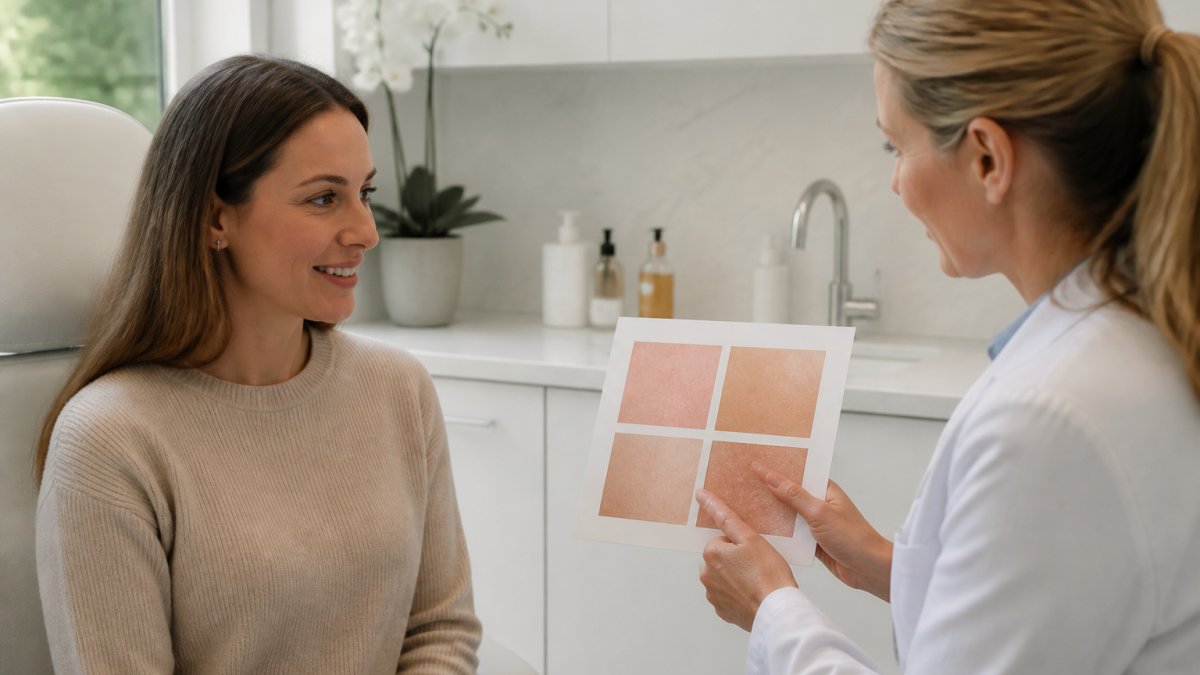
Safety starts with who treats you. In the UK, dermal fillers are not currently restricted to medical professionals, so checking qualifications matters. Ask about registration, training and complaint procedures before booking.
| Treatment | Typical downtime | Results appear | Maintenance |
|---|---|---|---|
| Chemical peel | 2-5 days flaking | 1-2 weeks | Every 4-8 weeks |
| Microneedling | 1-3 days redness | 4-8 weeks | Every 4-6 weeks |
| Skin boosters | 1-2 days | 2-4 weeks | Every 4-6 months |
| HydraFacial | None | Same day | Monthly |
| Anti-wrinkle injections | Minimal | 10-14 days | Every 3-4 months |
Personalised Plans and Total Cost
Cost, maintenance and value matter as much as the treatment itself. Pricing depends on the treatment, the area and the number of sessions, so ask for a written plan with total costs before you commit. Our treatment information from Exclusive Medical Aesthetics sets out what each option involves.
A useful rule: budget for maintenance, not just the first course. One treatment rarely holds a glow on its own.
Frequently Asked Questions
Which aesthetic treatment is best for glowing skin?
There is no single best treatment; the right choice depends on your skin concern. Chemical peels excel at dullness and uneven tone, microneedling improves texture and scarring, and skin boosters deliver deep hydration. A consultation with a qualified practitioner will assess your skin type and recommend a personalised plan. Many people combine treatments for a natural glow, but always allow adequate recovery between sessions.
How long do skin glow treatments take to show results?
Timelines vary by treatment. Hydrating facials and LED therapy often produce an immediate temporary glow, while chemical peels and microneedling typically show improvement over two to four weeks as collagen production increases. Skin boosters may need a few weeks for full hydration effects. Your practitioner will give you a realistic timeline based on your treatment plan and skin condition.
Are aesthetic treatments suitable for every skin type?
Most treatments can be adapted, but suitability depends on skin type, tone, and medical history. For example, certain chemical peels and laser treatments carry higher risks for darker skin tones, so a tailored approach is essential. A thorough consultation, including patch tests where appropriate, helps ensure safety and effectiveness. Always choose a qualified practitioner who can assess contraindications.
How do I choose an aesthetic treatment for a natural-looking result?
Focus on subtle enhancement rather than dramatic change. Discuss your goals openly with a practitioner who prioritises evidence-based care and personalised plans. Start with non-invasive options like facials or LED therapy, and consider injectables only if needed. Ask about downtime, aftercare, and the practitioner's qualifications. A conservative approach with gradual adjustments tends to produce the most natural glow.
The hardest part is knowing which treatments your skin actually needs. At Exclusive Medical Aesthetics, we build personalised, evidence-based plans using advanced clinical expertise, with subtle, natural-looking results as the goal. Book your consultation today and we will tell you honestly what will help, and what will not.