 blog
blog
Is Preventative Botox Worth It in Your 30s? A 2026 Guide
Table of Contents
- Is Preventative Botox Worth It in Your 30s? The Honest Answer
- Is 30 a Good Age to Start Botox? A Personalised Decision Framework
- Preventative Botox Cost: What You Are Really Paying For
- How Long Does Botox Last, and What Happens If You Stop?
- Alternatives to Botox for Wrinkles: What Else Actually Works
- Common Treatment Areas and How Natural Results Are Maintained
- Choosing a Qualified Provider and Understanding the Safeguards
- Frequently Asked Questions
Last Updated: October 6, 2026
Is Preventative Botox Worth It in Your 30s? The Honest Answer
Is preventative Botox worth it in your 30s? For some people, yes. For others, it is money spent on a promise that science has not fully proven. The honest answer sits somewhere in the middle.
Women and men in their thirties often ask whether starting preventative treatments now will stop faint lines becoming permanent.
The logic sounds solid. Botulinum toxin relaxes the facial muscles that crease your skin. Fewer muscle contractions should mean fewer wrinkles over time. That part is true.
What is less certain is whether starting in your 30s changes your face a decade later. The evidence for that claim is thinner than most clinics admit.
What Preventative Botox Is and How It Works
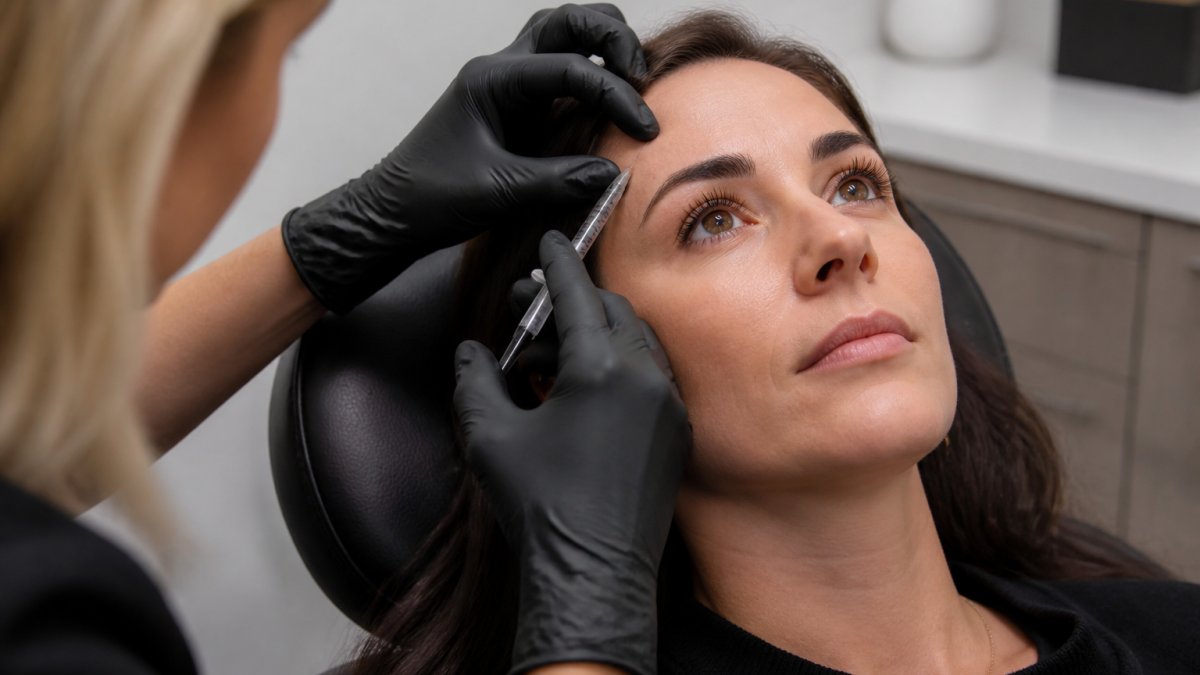
Preventative Botox is the use of small doses of botulinum toxin in younger patients to stop expression lines forming before they become static wrinkles. A neuromodulator blocks the signal from nerve to muscle, so the muscle cannot contract fully.
The result is softer movement, not a frozen face. A smaller dose keeps some natural expression while reducing the crease.
The key distinction is between dynamic wrinkles and static wrinkles:
- Dynamic wrinkles appear only when you move your face, like frown lines when you concentrate
- Static wrinkles stay visible at rest, etched into the skin over years
- Preventative treatment targets dynamic lines early, before they set
Once a line is static, Botox alone will not erase it. You would need fillers or resurfacing too.
Why Your 30s Are the Decade That Matters
Collagen production starts to drop from your late twenties. By the mid-thirties, fine lines on the forehead and around the eyes often become visible even without movement.
This is when expression lines begin their shift from temporary to permanent. Repeated muscle contractions crease the same spot thousands of times. Eventually the skin stops bouncing back.
Your individual needs matter more than your birthday, though. Two people aged 34 can have very different skin. Genetics, sun exposure, sleep and smoking all shape how fast lines form.
Is 30 a Good Age to Start Botox? A Personalised Decision Framework
There is no single correct age to start. A better question is whether your expression lines are becoming static, and whether that bothers you enough to act.
What is actually proven, and what is not
This is where most guides blur the line, so it is worth being precise.
Well established: botulinum toxin temporarily reduces the muscle contractions that create dynamic lines. Softening those lines while the treatment is active is a reliable, repeatable effect.
Reasonable but not fully settled: regular treatment over years may slow the transition from dynamic to static lines in some people, because the skin is being creased less often.
Not established: that starting in your 30s permanently prevents wrinkles, or that your face would look meaningfully different at 50 than if you had started later. Long-term controlled evidence on that specific claim is limited, and anyone presenting it as settled fact is overstating what is known.
That distinction matters because it changes what you are buying. You are buying softer lines now, with a plausible but unproven long-term benefit, not a guarantee about your future face.
A framework that uses your situation, not your birthday
| Your situation | Sensible approach |
|---|---|
| Faint lines only when you move your face | Wait and monitor, or try skincare first |
| Lines visible at rest on forehead or frown | Reasonable candidate for treatment |
| Deep static lines and volume loss | Botox alone will not fix it; discuss a full plan |
| Strong facial movement, early lines, clear goal | Often a good fit for a smaller dose |
| History of migraine or jaw clenching | May benefit, but needs medical assessment |
| Pregnant, breastfeeding, or a neuromuscular condition | Not suitable; speak to a doctor |
Work through it in this order: are your lines static yet, how much do they bother you, what is your realistic annual budget, and does your medical history allow treatment. Age is the least useful of those four inputs.
The waiting option is a legitimate choice
Starting later is not a failure. If your lines are still dynamic and you are content with them, waiting costs nothing and keeps your options open. The main trade-off is that once a line becomes static, botulinum toxin alone will not erase it, you would be looking at fillers or resurfacing as well. That is the real argument for treating early, and it is a narrower argument than "start at 30 or regret it".
Preventative Botox Cost: What You Are Really Paying For
Preventative Botox cost is not a one-off payment. It is an ongoing commitment, and that changes the maths entirely.
Most clinics price botulinum toxin either per unit or per treatment area. Prices vary widely by clinic, location and injector seniority, so treat any figure as a starting point for your own quotes rather than a fixed market rate.
What the annual figure actually looks like
Because results typically fade over three to four months, maintenance usually means three or four sessions a year. That is the number that matters, not the price of one appointment.
| Scenario | Per session | Sessions per year | Approximate annual spend |
|---|---|---|---|
| One area, smaller dose | £150-£250 | 3 | £450-£750 |
| Two areas | £280-£450 | 3-4 | £840-£1,800 |
| Three areas | £400-£700 | 3-4 | £1,200-£2,800 |
Over five years, a three-area plan at the upper end of that range can run into five figures. That is the honest framing: you are not buying a treatment, you are taking on a recurring cost.
The cost-versus-benefit question, stated plainly
Multiply your realistic per-session cost by the number of sessions you would actually attend, not the number you intend to attend. Then ask two questions:
Book your consultation today →
- Does the visible result justify that annual spend for you, compared with what else that money could do?
- Would waiting until lines become more persistent change the outcome much, given that the long-term prevention evidence is limited?
For some people the answer is a clear yes. For others, the same budget spread across daily sunscreen, a prescription retinoid and a good moisturiser delivers a meaningful improvement in skin quality for a fraction of the annual cost, though it will not relax an active muscle the way botulinum toxin does.
Where the money actually goes
- The product itself, priced per unit or per area
- The skill of the injector, which varies more than the product price does
- Repeat visits every few months to maintain the effect
- A consultation, sometimes charged separately and sometimes bundled
We do not publish fixed figures because every treatment plan is different, but you should leave any consultation with a written quote covering dose, areas and review appointments.
NHS information on cosmetic procedures and what to consider
How Long Does Botox Last, and What Happens If You Stop?
How long Botox lasts varies from person to person. Most people see results for around three to four months, though this depends on dose, treatment area and how your body responds.
What happens when you stop? The muscle gradually returns to full movement. Lines reappear over the following months.
Here is the part most guides get wrong. Stopping does not make your wrinkles worse than before. It returns you to where you would have been without treatment.
Some people find their lines look softer even after the effect fades, because the muscle has been resting. Others notice no lasting change at all.
Alternatives to Botox for Wrinkles: What Else Actually Works
If you want to avoid injections, several options can soften lines and improve skin quality.
- Retinoids build collagen and smooth fine lines over months
- Sunscreen prevents the UV damage that drives most skin aging
- Microneedling encourages collagen remodelling and improves texture
- Chemical peels refresh the surface and reduce mild pigmentation
- Dermal fillers restore volume where laxity and hollowing appear
For early expression lines, a good skincare routine plus sun protection does a lot of the work. For established static wrinkles, in-clinic treatments tend to deliver more.
Many of our patients combine approaches rather than relying on one. A personalised plan usually beats a single product.
NHS advice on sun protection and skin ageing
Common Treatment Areas and How Natural Results Are Maintained
The three most common treatment areas are the forehead, the frown lines between the brows, and the crow's feet around the eyes. Some people also treat the bunny lines on the nose or the chin.
Natural results come down to dose and placement. A skilled injector uses the smallest dose that softens the line while keeping facial movement.
- Treat the cause, not just the crease
- Keep some movement in every treated area
- Match the dose to your muscle strength, not a standard figure
- Review and adjust at follow-up rather than over-treating
The goal is a refreshed look, not a different face. If someone cannot tell you have had treatment, the plan is working.
Choosing a Qualified Provider and Understanding the Safeguards
Botulinum toxin is a prescription-only medicine in the UK. That means a qualified prescriber must assess you before any treatment.
Ask these questions before you book:
- Who will carry out the assessment and the injections?
- What are the qualifications and registration of the injector?
- What are the risks and side effects for your treatment area?
- What is the plan if you are unhappy with the result?
Common side effects include bruising, mild swelling and a temporary headache. Rare risks include eyelid droop and asymmetry. A good provider explains all of this before you consent.
You should also know what happens if treatment stops, and how often you would need to return to maintain results. Honest guidance on this is a sign of a trustworthy clinic.
MHRA guidance on botulinum toxin medicines
Frequently Asked Questions
What is preventative Botox and what is it used for?
Preventative Botox uses small doses of botulinum toxin to relax facial muscles before deep lines form. It is used to soften expression lines on the forehead, between the brows, and around the eyes. The aim is to reduce muscle movement that, over time, etches dynamic wrinkles into static wrinkles. It is not a cure for existing deep lines and works best as part of a broader skin maintenance plan.
Will my skin sag if I stop having Botox?
No. Stopping Botox does not cause sagging. When the effect wears off, your muscles gradually return to their previous activity and lines may reappear at their original depth. Some people feel their skin looks worse simply because they had become used to a smoother appearance. A qualified practitioner can help you plan a gradual reduction if you decide to stop.
How long does Botox last, and does it vary between people?
Results typically last three to four months, though this varies. Muscle strength, metabolism, dosage, and the treatment area all affect duration. Some people find their results last closer to three months, while others get closer to four or five. Your practitioner will track your response over time and adjust the treatment plan accordingly.
Can skincare help prevent wrinkles instead of Botox?
Skincare can support skin health, but it works differently from Botox. Retinoids, vitamin C, and daily SPF can improve texture and protect against sun damage, which is a major cause of skin aging. However, they do not relax the muscle contractions that create expression lines. Many people combine skincare with in-clinic treatments such as microneedling for a more complete approach.
Deciding whether to start is a personal call, and it deserves a proper conversation rather than a quick answer. At Exclusive Medical Aesthetics, we offer personalised care, evidence-based treatments and advanced clinical expertise to help you reach elegant, natural-looking results. Book your consultation today and get a plan built around your face, not a template.