 listicle
Natural Alternatives to Retinol for Sensitive Skin
Table of Contents
- Why Sensitive Skin Struggles With Retinol
- Natural Retinol Alternatives Compared: Evidence and Tolerability
- Bakuchiol for Sensitive Skin: What the Evidence Shows
- Bakuchiol vs Retinol: How They Differ in Practice
- Rosehip Oil, Niacinamide and Peptides: The Supporting Cast
- How to Use Bakuchiol and Other Retinol Alternatives Safely
- Matching Retinol Alternatives to Your Skin Concern
- Frequently Asked Questions
Last Updated: October 14, 2026
Why Sensitive Skin Struggles With Retinol
Retinol remains the most studied over-the-counter ingredient for fine lines and uneven tone, yet it is also one of the most common reasons people abandon a skincare routine.
Someone with a reactive skin barrier tries a retinol product, reacts within days, and concludes that anti-ageing skincare simply is not for them. That conclusion is wrong.
This guide compares the natural alternatives to retinol for sensitive skin that are worth your attention, what the evidence actually supports, and how to use them without triggering a reaction.
Natural Retinol Alternatives Compared: Evidence and Tolerability
The table below summarises how the main alternatives differ by mechanism, typical tolerability and best-suited concern. Use it as a starting point, then read the sections that follow for the detail.
| Ingredient | Type | Best For | Tolerability |
|---|---|---|---|
| Bakuchiol | Plant-derived compound | Fine lines, overall renewal | Generally well tolerated |
| Rosehip oil | Plant oil with natural vitamin A | Dryness, dullness, texture | Good; check for allergies |
| Niacinamide | Vitamin B3 | Tone, barrier support, redness | Good at moderate strength |
| Peptides | Amino acid chains | Firmness, collagen support | Very good |
| Azelaic acid | Naturally occurring acid | Pigmentation, uneven tone | Good; tingling possible |
| CBD and CBG | Cannabinoid extracts | Soothing, calming | Emerging evidence |
What the Term Natural Retinol Really Means
There is no such thing as a natural retinol. Retinol is a specific molecule, and the only true alternatives to it are other retinoids, which are synthetic or prescription-led.
That distinction matters for two reasons. First, it sets your expectations correctly: results tend to be slower and gentler than a prescription retinoid. Second, it means the phrase tells you nothing about evidence quality.
Bakuchiol for Sensitive Skin: What the Evidence Shows
Bakuchiol is a meroterpene phenol extracted from the seeds of the Psoralea corylifolia plant. It is the most studied plant-derived ingredient marketed as a retinol alternative, and it is the one most often recommended for reactive skin. But "most studied" is a relative term here, and the quality of that evidence matters more than the volume.
What the research actually measured
The key trials compare bakuchiol with retinol over 12 weeks in adults with facial fine lines and uneven pigmentation. In those studies, bakuchiol was applied twice daily and retinol once daily, and both groups were assessed for wrinkle severity, pigmentation and tolerability. The headline finding was broadly comparable improvement in fine lines and pigmentation between the two groups, with the bakuchiol group reporting less stinging and flaking.
The limits you should hold in mind
Three caveats keep this from being a settled question:
- Sample size and duration. The trials are small and run for around 12 weeks, which is long enough to detect cosmetic change but not long enough to say anything about collagen remodelling over years.
- Comparator design. Bakuchiol was often applied twice daily against once-daily retinol, so the two were not matched for frequency. That makes a like-for-like potency comparison difficult.
- Commercial involvement. Several studies were funded or run with involvement from brands that sell bakuchiol, which does not invalidate the results but does mean independent replication is still thin.
What this means mechanistically
Retinol works by converting in the skin to trans-retinoic acid, which binds retinoic acid receptors and directly accelerates cell turnover. Bakuchiol does not follow that pathway and does not appear to convert to a retinoid. Its effects are attributed to antioxidant activity and modulation of gene expression linked to collagen and extracellular matrix support. In plain terms: it may nudge the same endpoints, but it is not doing the same thing, and it should not be described as a weaker retinol.
Practical tolerability
Bakuchiol does not cause the barrier disruption associated with retinoids, which is why it is a reasonable first step for reactive skin. It is generally formulated at around 0.5% to 1% in facial serums. It layers well with niacinamide, peptides and vitamin C, and it does not carry the same photosensitivity warning as retinol, though daily broad-spectrum sunscreen remains non-negotiable.
Bakuchiol vs Retinol: How They Differ in Practice
Bakuchiol and retinol are not interchangeable, and understanding the difference prevents disappointment. Retinol converts in the skin to trans-retinoic acid, which directly accelerates cell turnover. Bakuchiol does not follow that pathway; its effects appear to come from antioxidant and gene-expression activity instead.
In practice, that means:
- Speed: retinol typically shows visible change in 8 to 12 weeks; bakuchiol often takes longer
- Irritation: retinol commonly causes flaking and redness early on; bakuchiol rarely does
- Strength of evidence: retinol has decades of research behind it; bakuchiol has a handful of trials
- Routine fit: bakuchiol layers easily with most actives; retinol demands careful pairing
If your skin tolerates retinol, there is little reason to switch. If it does not, bakuchiol is the sensible substitute.
Rosehip Oil, Niacinamide and Peptides: The Supporting Cast
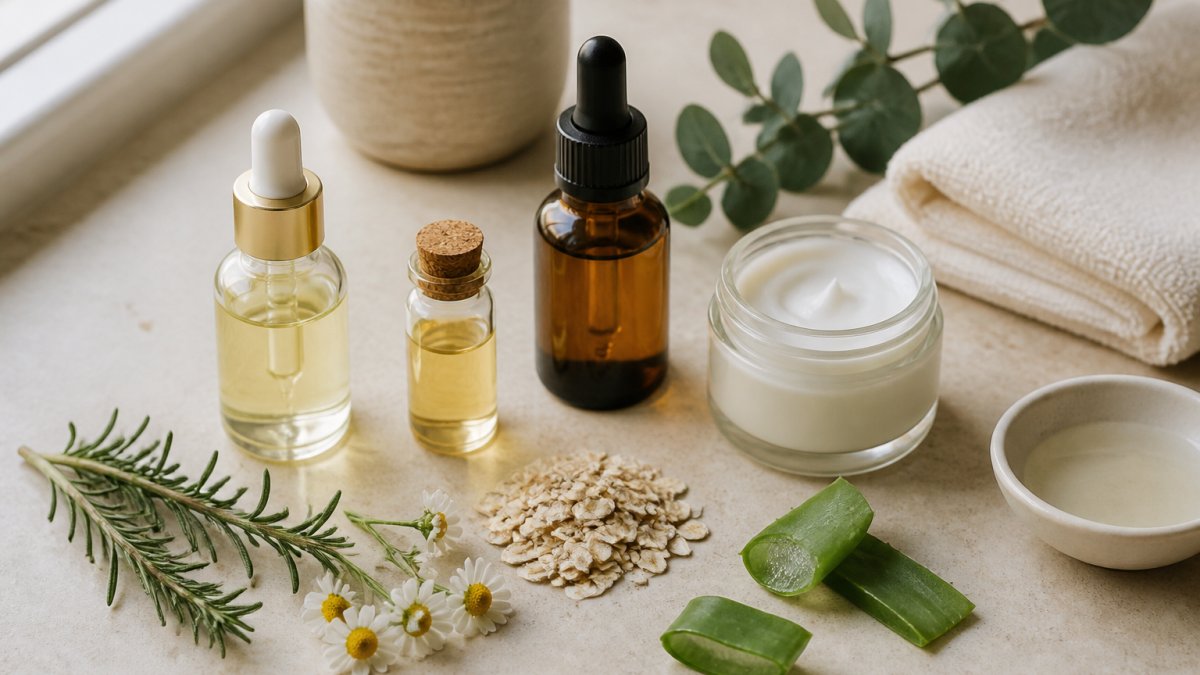
Rosehip oil, niacinamide and peptides are often grouped together as retinol alternatives, but they work in different ways and suit different concerns.
Book your consultation today →
Niacinamide, a form of vitamin B3, supports the skin barrier and helps even out tone and redness.
Medik8's overview of retinol alternatives groups niacinamide, peptides and rosehip oil as gentler options that can be formulated for sensitive skin.
How to Use Bakuchiol and Other Retinol Alternatives Safely
Most guides treat natural alternatives as irritation-free by default. That is not accurate. Plant-derived ingredients can still cause contact dermatitis, photosensitivity or interactions with other actives, and sensitive skin needs a more careful introduction than a generic "patch test and go" instruction.
Patch testing that actually tells you something
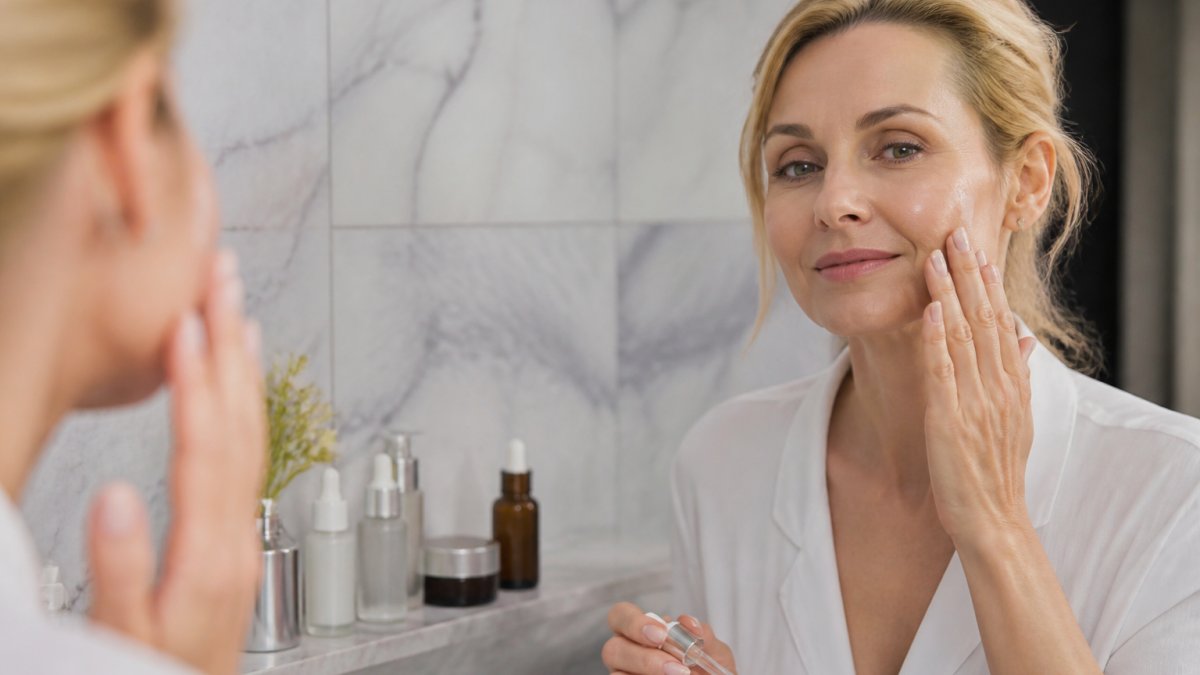
Apply a small amount behind the ear or on the inner forearm, twice daily for three to five days, and leave it uncovered. Check for redness, itching, swelling or a burning sensation. A single 48-hour test can miss delayed reactions, which is why a longer window is more reliable. If you react, stop and do not try to push through it.
Ingredient-specific cautions
- Rosehip oil. Cold-pressed rosehip is rich in linoleic and linolenic acids and can trigger reactions in people with existing seed or nut sensitivities. It also oxidises quickly; a rancid oil is more likely to irritate than a fresh one.
- Niacinamide. Well tolerated by most, but a minority report flushing or tingling at higher concentrations. If that happens, step down to a lower percentage rather than abandoning it.
- Azelaic acid. Expect transient tingling in the first week, especially on compromised skin. It can also be drying, so pair it with a barrier moisturiser.
- CBD and CBG. Evidence for skin benefits is emerging rather than established, and formulations vary widely in cannabinoid content. Treat claims with caution.
Layering with the rest of your routine
Alternatives sit comfortably alongside most actives, but order and timing matter:
- Cleanse with a mild, non-foaming cleanser.
- Apply niacinamide or a barrier serum and let it absorb.
- Apply bakuchiol or your chosen alternative in a thin layer.
- Seal with a fragrance-free moisturiser.
- Use a broad-spectrum sunscreen every morning without exception.
Two pairings deserve care. Exfoliating acids (glycolic, lactic, salicylic) can compound irritation if used on the same evening as azelaic acid; alternate nights instead. Vitamin C is generally fine alongside bakuchiol and niacinamide, but if your skin is highly reactive, use it in the morning and your alternative at night rather than layering both.
A realistic introduction schedule for reactive skin
- Weeks 1-2: one evening application, buffered over moisturiser.
- Weeks 3-4: two to three evenings per week if no reaction.
- Weeks 5-8: nightly use if tolerated, or stay at three to four nights if your skin prefers it.
- Ongoing: pause for three to four nights if you notice stinging, flaking or new redness, then restart at the previous step.
What to expect, and when
Cosmetic change from these ingredients is gradual. Softness and hydration often improve within two to four weeks. Tone and redness may shift over six to twelve weeks. Fine lines and firmness are the slowest endpoints and may take three to six months of consistent use to show meaningful change. None of these ingredients has been shown to deliver the collagen-remodelling effects of prescription retinoids, so judge them on cosmetic improvement rather than retinoid-equivalent results.
When to stop and seek advice
Stop use and speak to a clinician if you develop persistent redness, swelling, blistering, or a rash that spreads beyond the application site. If you are pregnant or breastfeeding, consult your clinician before using any retinol alternative, because evidence for most of these ingredients in pregnancy is limited and "natural" does not automatically mean appropriate. If you have a diagnosed condition such as rosacea, eczema or perioral dermatitis, get clinical guidance rather than experimenting at home.
Matching Retinol Alternatives to Your Skin Concern
Different concerns call for different ingredients, and picking the wrong one wastes both time and money.
- Fine lines and early ageing: bakuchiol, supported by peptides
- Dryness and dullness: rosehip oil layered over a barrier moisturiser
- Redness and reactivity: niacinamide, used consistently
- Firmness and collagen support: peptides, ideally alongside bakuchiol
- Pigmentation and uneven tone: azelaic acid, introduced gradually
If your concern is skin laxity, volume loss or deeper textural change, topical ingredients will only take you so far. At that point, a clinical assessment is more useful than another serum. Our evidence-based treatment options are designed for exactly this situation, and a consultation lets us tell you honestly whether a topical approach is enough or whether something more is appropriate.
Frequently Asked Questions
What is the best natural alternative to retinol for sensitive skin?
Bakuchiol is the most studied plant-derived option, and it is often described as a gentler route to smoothing fine lines and supporting elasticity. Rosehip oil, niacinamide and peptides are often considered supportive ingredients rather than direct swaps. The right choice depends on your concern: pigmentation, texture or firmness each point to a different ingredient, so a consultation helps match the option to your skin.
Does bakuchiol work as well as retinol?
Clinical trials have reported comparable anti-ageing results alongside lower irritation than retinoids. In practice, bakuchiol is generally better tolerated, which matters if retinol has caused redness or dryness. Treat it as a gentler option with a similar direction of benefit, not an identical substitute, and allow several weeks before judging results.
Are plant-based retinol alternatives suitable for reactive skin?
Many are formulated to be gentler, and niacinamide, peptides and rosehip oil can be formulated for sensitive skin. That does not make every product suitable for every reactive skin type. Patch test on the inner forearm for a few days before applying to your face, introduce one new product at a time, and stop if you notice persistent stinging, redness or dryness. Persistent reactions warrant advice from a qualified professional.
How should you introduce a retinol alternative into a skincare routine?
Start with two or three evenings a week and build up as your skin tolerates it. Apply after cleansing to dry skin, follow with a moisturiser, and use sunscreen every morning, since fading dark spots and uneven tone still requires daily UV protection. Avoid layering with strong acids on the same evening at first. If you are pregnant or breastfeeding, speak to your clinician before starting any new active ingredient.
Can I make a DIY retinol serum myself?
Making your own serum at home is not advisable. You cannot control concentration, preservation or pH, and unstable plant oils oxidise quickly, which can irritate sensitive skin rather than help it. Commercial formulations from established brands are tested for stability and shelf life. If cost is the concern, look for a single well-formulated bakuchiol or niacinamide product rather than mixing ingredients yourself, and ask a clinician which one suits your skin.
A reactive skin barrier does not rule out visible improvement. It simply changes the ingredients and the pace. If you have tried retinol and given up, or you are unsure which alternative suits your skin, book your consultation with Exclusive Medical Aesthetics. We offer advanced clinical expertise, personalised care and evidence-based treatments, with the goal of elegant, natural-looking results rather than an overdone one. Book your consultation today and find out what your skin actually needs.