 listicle
5 Best Medical-Grade Skincare Brands for Your 30s
Last Updated: October 23, 2026
Quick Summary
The five best medical-grade skincare brands for your 30s are SkinMedica for comprehensive anti-aging, SkinCeuticals for texture and tone, Obagi Medical for structured treatment systems, AlumierMD for customisable regimens, and Pavise for targeted active formulations. Medical-grade skincare brands use higher concentrations of actives like retinoids and vitamin C with clinical validation, delivering faster, measurable results than over-the-counter alternatives.
- Medical-grade formulations use 1-2% retinol compared to 0.3-0.5% in over-the-counter products.
- Introduce one active ingredient at a time over 4-6 weeks to build tolerance and prevent irritation.
- Results from medical-grade skincare require 8-12 weeks of consistent use before visible changes appear.
- SPF 30 or higher daily is essential when using active ingredients to prevent UV damage.
- Start retinol at 0.25-0.3% concentration used once or twice weekly on completely dry skin.
Table of Contents
- What Qualifies as Medical-Grade Skincare
- Five Medical-Grade Skincare Brands for Your 30s: Quick Comparison
- Medical-Grade Skincare vs Over-the-Counter: What's the Real Difference
- Building a Medical-Grade Skincare Routine for Your 30s
- Retinol for Beginners: Starting Strong Without Irritation
- How to Layer Retinol with Vitamin C Safely
- Selecting the Right Brand for Your Skin Type and Concerns
- Common Mistakes When Starting Medical-Grade Skincare
- Frequently Asked Questions
What Qualifies as Medical-Grade Skincare
Medical-grade skincare brands differ from high street products in formulation strength, active ingredient concentration, and clinical validation, not marketing hype.
Medical-grade skincare uses higher concentrations of actives like retinoids, vitamin C, and peptides, typically available only through aesthetic clinics, dermatologists, or licensed specialists. Over-the-counter alternatives contain lower concentrations, meaning slower, gentler results.
These brands invest in clinical studies and stabilised delivery systems so actives penetrate effectively. At Exclusive Medical Aesthetics, we work with brands that prioritise this rigorous approach for measurable results.
What separates medical-grade from cosmetic-grade isn't just potency, it's accountability. Professional lines are formulated by dermatologists or chemists trained in skin biology to address fine lines, uneven texture, pigmentation irregularities, and barrier health, and require professional guidance.
Five Medical-Grade Skincare Brands for Your 30s: Quick Comparison
| Brand | Best For | Key Strength | Approach |
|---|---|---|---|
| SkinMedica | Comprehensive anti-aging | Broad-spectrum active formulations | Results-focused systems |
| SkinCeuticals | Texture and tone | Antioxidant and stabilisation technology | Scientific precision |
| Obagi Medical | Structured treatment | Tiered system approach | Progressive intensity |
| AlumierMD | Customisable routines | Flexible ingredient combinations | Personalised regimens |
| Pavise | Targeted concerns | Concentrated active formulations | Specific problem-solving |
SkinMedica: Best Overall for Comprehensive Anti-Aging
SkinMedica is the go-to for anyone starting a serious anti-aging routine in their 30s. Its TNS Advanced+ Serum leads the range and is highlighted in guides focused on medical-grade skincare for your age group.
SkinMedica stands out for evidence-backed formulations that combine multiple actives synergistically into single products, reducing complexity whilst maintaining efficacy.
The brand addresses fine lines, loss of elasticity, and uneven skin tone, the primary concerns most people encounter in their 30s.
SkinCeuticals: Best for Texture and Uneven Tone
SkinCeuticals excels at two concerns that plague people in their 30s: uneven skin texture and pigmentation irregularities. Their Anti-Aging Lipid Replenishment Treatment 2:4:2 is specifically recommended for texture in guides focused on your age group.
The brand's strength lies in stabilisation technology that keeps actives effective over time. Their Phloretin CF serum, recognised as a top medical-grade product by aesthetic professionals, delivers antioxidant protection against environmental damage and early ageing.
What sets them apart is scientific transparency: they publish formulation ratios, so the 2:4:2 designation tells you exactly what you're getting.
The brand works well for combination or oily skin, with lighter textures that don't feel heavy. If products usually leave your skin feeling congested, SkinCeuticals is worth investigating.
Obagi Medical: Best for Structured Treatment Systems
Obagi Medical sells systems rather than individual products. Their Nu-Derm range is organised into progressive levels so your skin builds tolerance gradually, appealing to people who want clear guidance on what to use and when.
For someone in their 30s starting medical-grade skincare, Obagi's framework removes the guesswork: a defined routine, cleanser, toner, treatment, moisturiser, each formulated to complement the others.
This brand suits people who prefer clarity over choice: you're committing to a protocol designed by dermatologists, not buying individual items.
AlumierMD: Best for Customisable Regimens
AlumierMD appears in professional roundups of medical-grade skincare brands because they prioritise flexibility, offering modular formulations you can mix and match based on your specific concerns rather than a rigid system.
This brand appeals to people whose skin needs vary, dry patches alongside oily zones, or seasonal shifts. AlumierMD's ingredient-focused approach lets you build a routine that evolves with your skin.
The flexibility comes with responsibility: AlumierMD suits people who've already experimented with skincare; beginners may benefit from a more structured brand first.
Pavise: Best for Targeted Active Formulations
Pavise specialises in concentrated active formulations designed to address specific problems. Their Dynamic product, recognised in professional skincare selections, exemplifies their approach: potent, targeted solutions rather than broad-spectrum systems.
This brand works for someone who's identified a particular concern, stubborn pigmentation or persistent fine lines, and wants a focused solution.
Book your consultation today →
Their concentrated formulations are best introduced gradually and require understanding how to layer actives without irritation, making Pavise better suited to people with some skincare experience.
Medical-Grade Skincare vs Over-the-Counter: What's the Real Difference
The practical difference between medical-grade and over-the-counter skincare comes down to active concentration and delivery system sophistication.
Over-the-counter products contain lower concentrations of actives, typically 0.3-0.5% retinol. Medical-grade formulations use 1-2% retinol or prescription-strength retinoids like tretinoin, so they work faster because they deliver more active ingredient to your skin cells.
Delivery systems matter equally. Medical-grade brands invest in technology that stabilises actives and ensures effective penetration, while over-the-counter products often let actives degrade before absorption.
Professional guidance accompanies medical-grade skincare.
The price difference reflects this: medical-grade products cost more because they contain higher concentrations of expensive actives and more sophisticated formulation technology.
For someone in their 30s, the choice depends on your goals.
Building a Medical-Grade Skincare Routine for Your 30s
Your routine should follow a logical sequence: cleanse, treat, protect.
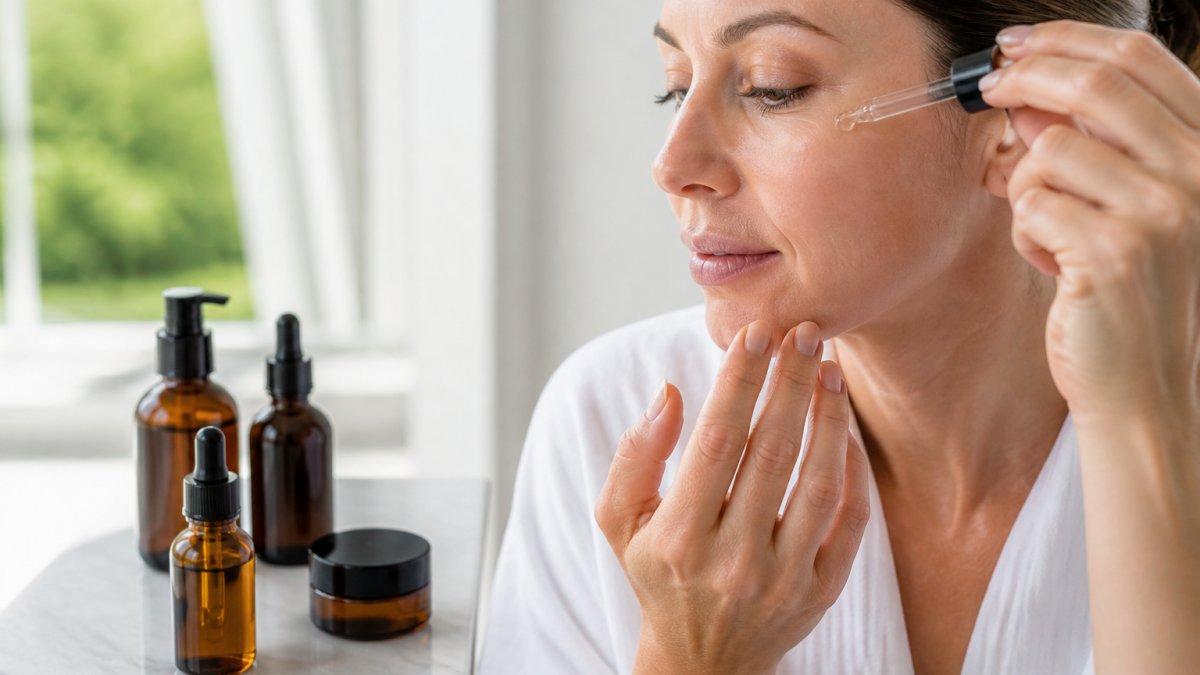
Moisturisation is non-negotiable when using medical-grade actives, which can be drying, especially retinoids.
Sun protection during the day is essential. Medical-grade actives increase your skin's sensitivity to UV damage.
Your routine might look like this: cleanser (morning and evening), vitamin C serum (morning), retinoid or active treatment (evening, 3-4 times weekly initially), moisturiser (morning and evening), SPF (morning only). As your skin adapts, you'll gradually increase the frequency of active treatments.
The timeline matters. Medical-grade skincare requires 8-12 weeks of consistent use before you notice significant changes in fine lines or skin texture.
Track your skin's response with a simple weekly log to identify whether a product is working or causing irritation.
You can explore medical-grade skincare brands through Exclusive Medical Aesthetics to ensure you're purchasing authentic products formulated for your specific concerns.
Retinol for Beginners: Starting Strong Without Irritation
Retinol intimidates many people in their 30s because of its reputation for irritation. Retinoids are powerful, but irritation is preventable through proper introduction.
Your skin needs time to build tolerance to retinoids.
Begin with 0.25-0.3% retinol, used once or twice weekly. Learn more about age-appropriate timing and best practices for starting retinol.
Expect some adjustment period. Mild redness and slight flaking are normal during the first month as your skin renews at an accelerated rate.
If irritation occurs, reduce frequency immediately. Skip retinol for a few days, then resume at a lower frequency. You can also use the "sandwich method": apply moisturiser first, then retinol, then another layer of moisturiser. This buffers the retinol and reduces irritation while still delivering benefits.
Avoid combining retinol with other actives initially. Vitamin C, acids, and niacinamide all work, but introducing them simultaneously increases irritation risk.
If you're concerned about retinol irritation, explore natural alternatives designed for sensitive skin before dismissing retinoids entirely. Many people with sensitive skin tolerate retinol successfully with proper introduction.
How to Layer Retinol with Vitamin C Safely
Retinol and vitamin C are both powerful actives, but they work through different mechanisms. Layering them amplifies anti-ageing benefits, if you do it correctly.
Book your consultation today →
The easiest approach is using vitamin C in the morning and retinol in the evening. This eliminates any pH conflict and gives each product optimal conditions to work.
Never apply retinol before vitamin C. Retinol raises your skin's pH, which deactivates vitamin C. The sequence matters.
Consider your skin's tolerance before layering two actives. If you're new to retinol, master that first. Once your skin tolerates retinol confidently (after 4-6 weeks), introduce vitamin C.
Some people's skin prefers alternating days. Use vitamin C on Monday, Wednesday, Friday. Use retinol on Tuesday, Thursday, Saturday. Rest on Sunday.
Selecting the Right Brand for Your Skin Type and Concerns
Choosing a medical-grade brand depends on three factors: your primary skin concern, your skin type, and your tolerance for active ingredients.
If your main concern is fine lines and loss of elasticity, SkinMedica's comprehensive approach works well. Their formulations address multiple age-related changes simultaneously.
Your experience with actives matters. If you've never used retinol or vitamin C, start with a brand offering clear beginner protocols. Obagi's structured system works well for this.
Budget influences the decision, though price doesn't always correlate with efficacy. Medical-grade brands range from accessible to premium. What matters is finding a brand whose formulations align with your concerns and your skin's needs.
A professional consultation helps significantly. Book a professional aesthetic consultation to discuss which brand suits your specific situation.
Common Mistakes When Starting Medical-Grade Skincare
Introduce one active at a time. Master retinol for 4-6 weeks before adding vitamin C.
Another frequent error is using actives too frequently too quickly. Starting with high-concentration retinol every night causes excessive irritation.
Skipping SPF during the day is surprisingly common. Active ingredients increase UV sensitivity.
Expecting overnight results leads to disappointment. Medical-grade skincare requires 8-12 weeks of consistent use before visible changes appear.
Using medical-grade products inconsistently reduces efficacy dramatically. These formulations work through consistent use.
Neglecting your skin barrier whilst using actives causes problems. Active ingredients can be drying and sensitising.
Finally, people often combine medical-grade skincare with other treatments without professional guidance.
Starting a medical-grade skincare routine in your 30s is one of the most effective preventative steps you can take. Our team assesses your skin, recommends the right medical-grade brand for your concerns, and guides you through introduction safely. Book your consultation today to discover which medical-grade brand and routine will work best for your skin.
Frequently Asked Questions
What does medical-grade skincare actually mean?
Medical-grade skincare refers to products formulated with higher concentrations of active ingredients and backed by clinical evidence. These products typically contain ingredients like retinoids, vitamin C, and peptides at therapeutic levels. Unlike over-the-counter skincare, medical-grade lines are often physician-dispensed or require professional guidance. The formulations are designed to penetrate deeper into the skin and deliver measurable results for concerns like fine lines, pigmentation, and skin texture.
Can you use retinol in your 30s, and is it safe for beginners?
Yes, retinol is safe and beneficial in your 30s as a preventative and corrective treatment. For beginners, start with a low concentration (0.25-0.5%) and introduce it gradually, using it once or twice weekly initially. Apply it to clean, dry skin and follow with a moisturiser to minimise irritation. Avoid combining retinol with vitamin C, acids, or benzoyl peroxide in the same routine. Most people tolerate retinol well when introduced slowly, and results improve over 8-12 weeks of consistent use.
Is medical-grade skincare better than high-street skincare?
Medical-grade skincare generally delivers stronger results because it contains higher concentrations of active ingredients and is backed by clinical studies. High-street products often contain lower therapeutic doses due to stability and cost constraints. Medical-grade lines are formulated for efficacy and skin barrier support, making them more suitable for addressing specific concerns like ageing, pigmentation, and texture. However, results depend on consistent use and choosing products matched to your skin type and concerns.
How do you layer retinol with vitamin C in the same routine?
Retinol and vitamin C have different pH requirements and can destabilise each other if mixed. The safest approach is to use them on alternate nights: vitamin C in the morning (in a stabilised serum) and retinol in the evening. If you want to use both daily, apply vitamin C in the morning and retinol at night, separated by at least 12 hours. Always follow each with a hydrating moisturiser and sunscreen during the day. Start both ingredients separately before combining them to monitor your skin's tolerance.