 how-to
Book a Professional Aesthetic Consultation in Bath
Table of Contents
- Why a Professional Aesthetic Consultation in Bath Matters
- How to Book Your Aesthetic Consultation in Bath
- What to Expect at an Aesthetic Consultation
- How Long Does an Aesthetic Consultation Take?
- Questions to Ask an Aesthetic Practitioner
- Assessing Practitioner Credentials and Safety Standards
- Aftercare, Recovery, and Decision Time
- Frequently Asked Questions
Last Updated: October 5, 2026
Why a Professional Aesthetic Consultation in Bath Matters
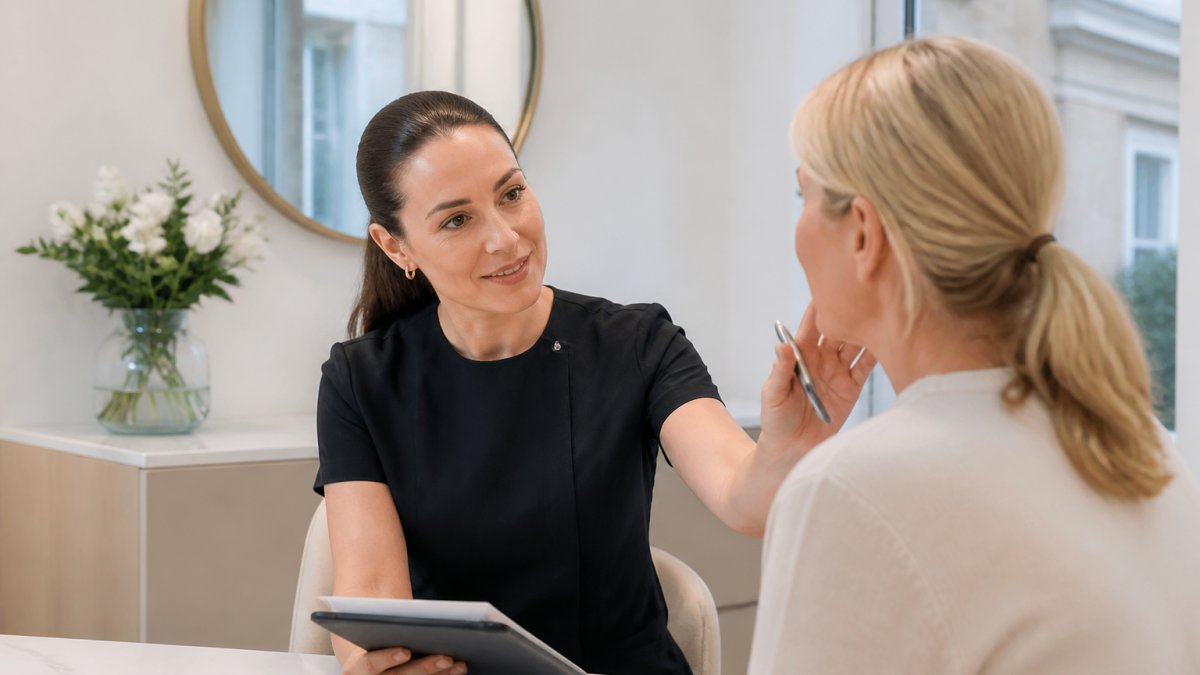
Booking an aesthetic consultation Bath is the first step towards any safe, well-planned treatment. A consultation is a structured appointment where a qualified practitioner assesses your skin, discusses your goals, and recommends a treatment plan suited to you. At Exclusive Medical Aesthetics, we treat this as the foundation of good care, not a sales pitch.
The real purpose is honesty: a good consultation tells you what will work, what will not, and what carries risk, and gives you time to ask questions before committing. Many people skip this step and book treatments directly, which is where most disappointment starts.
What matters most before you book:
- The practitioner's medical qualifications and registration
- Whether the clinic is insured and regulated
- The range of treatment options discussed, not just one
- Clear aftercare and recovery guidance
How to Book Your Aesthetic Consultation in Bath
Booking starts with choosing a clinic, not a treatment. Reputable clinics publish their practitioner credentials, treatment information, and contact details openly, so you can check them before you commit.
A step-by-step booking path
- Shortlist two or three clinics. Search for clinics offering the treatment area you are interested in, then check each one's website for practitioner names, qualifications, and treatment information. A clinic that hides who will treat you is a warning sign.
- Check the practitioner, not just the brand. Look up the named practitioner on the relevant professional register, the General Medical Council for doctors, the Nursing and Midwifery Council for nurses, or bodies such as the British Association of Aesthetic Plastic Surgeons or the Joint Council for Cosmetic Practitioners. If you cannot find them, ask the clinic directly.
- Confirm the consultation format. In-person is usually better for facial assessments, as the practitioner can see your skin in natural light and assess movement, volume, and symmetry directly.
- Choose your appointment slot. Pick a time when you are not rushing and have no event the same day. If considering injectables, avoid booking close to a wedding, holiday, or important work commitment in case of bruising or swelling.
- Complete the pre-appointment information. Many clinics send a medical history form by email. Fill it in honestly, including all medication, supplements, allergies, and previous aesthetic treatments, to reduce the risk of an unsuitable recommendation.
- Confirm the fee and what it includes. Ask whether the fee is redeemable against treatment, covers a follow-up, or includes separate charges for a patch test or prescription.
- Keep the confirmation. Save the email or text confirmation, along with the clinic address, parking or transport notes, and a contact number in case you need to reschedule.
Online booking and appointment availability
Most clinics now offer online booking, letting you see availability without a phone call. If it is not offered, a phone call or enquiry form works just as well.
Before you book, confirm three things: the consultation duration, whether there is a fee, and whether the fee is redeemable against treatment. Some clinics offer a free consultation; others charge and deduct it later. Either is fine, as long as you know in advance. Ask specifically:
- Is the consultation fee credited towards treatment if I book?
- Does the fee include a follow-up appointment or is that charged separately?
- Is there a charge for a patch test or for any prescription issued?
- What is the cancellation policy, and how much notice is required?
Evening and weekend appointments are in higher demand, so book further ahead if you need one. If travelling into the city centre, check parking or public transport links and allow extra time for traffic.
What to prepare before your appointment
Arriving prepared makes the appointment far more useful. Bring a list of any medication you take, including prescriptions and supplements, and note any allergies or previous treatments. If you have had aesthetic treatments elsewhere, say so. It affects what a practitioner can safely recommend.
Arrive with clear goals rather than a specific product in mind. Describe what bothers you, not what you think you need, and a practitioner can match the treatment to the concern.
A short preparation checklist:
- Current medication, including prescriptions, over-the-counter medicines, and supplements
- Known allergies, including to anaesthetics or latex
- Previous aesthetic treatments, with dates and any complications
- Your skincare routine, including prescription creams such as retinoids
- Any recent dental work, surgery, or illness
- Photographs of your skin in natural daylight, if you have them
- Your questions, written down so you do not forget them
What to do if you need to reschedule
Plans change, and clinics understand that. Contact the clinic as early as possible if you cannot attend. Most ask for at least 24 to 48 hours' notice, and some charge for late cancellations. Rescheduling early also means you are more likely to get another slot that suits you.
What to Expect at an Aesthetic Consultation
An aesthetic consultation Bath is a clinical assessment combined with a conversation about your goals. It typically begins with a full skin assessment, including your skin type, concerns, and medical history. The practitioner then explains suitable treatment options, likely outcomes, and any downtime.
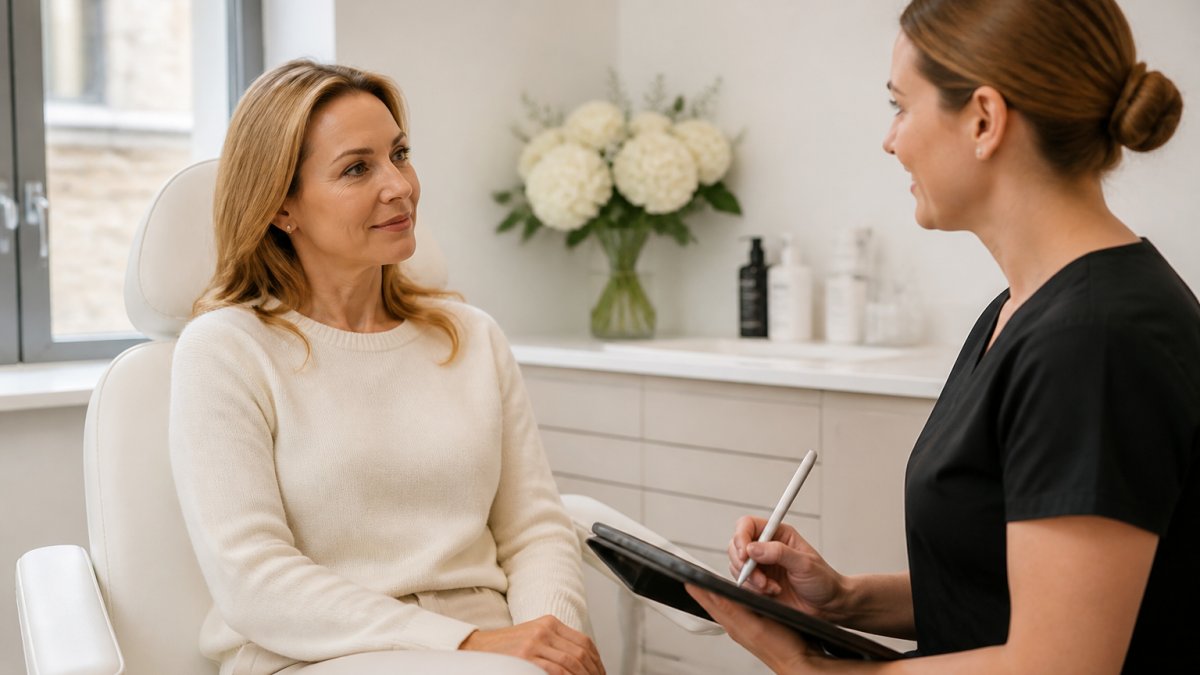
Expect a patch test where relevant, particularly for injectables, and expect the practitioner to say no to something. If a treatment is not suitable, a good clinic will tell you and suggest an alternative.
Practical points to confirm during the appointment:
- What the treatment involves and how long results typically last
- The risks and possible side effects
- The aftercare you will need to follow
- The total cost, including any follow-up appointments
How Long Does an Aesthetic Consultation Take?
A first aesthetic consultation usually takes 30 to 45 minutes, longer if you are discussing several concerns. Follow-ups are often shorter, around 15 to 20 minutes.
The length depends on what you need. A single skin concern takes less time than a full facial assessment covering skin laxity, volume loss, and preventative care. If considering more than one treatment, book a longer slot so nothing is rushed.
Ask about duration when you book. The appointment should end with a written treatment plan you can take away and consider. (Source: Health and Care Professions Council (HCPC) standards)
Questions to Ask an Aesthetic Practitioner
The best consultations feel like a two-way conversation. These questions help you judge whether a practitioner is right for you:
- What are your medical qualifications and which professional register are you on?
- How many times have you performed this treatment?
- What are the risks, and how are complications managed?
- What happens if I am not happy with the result?
- What aftercare will I need, and how much downtime should I expect?
- Is there a less invasive option that would address my concern?
- What is the total cost, including any follow-up appointments?
Pay attention to how the practitioner answers. Someone who explains risks clearly and admits when a treatment is not right for you is usually more trustworthy than someone who promises perfect results.
Book your consultation today →
Assessing Practitioner Credentials and Safety Standards
Checking credentials takes ten minutes and protects you from the most common risks. Injectable treatments such as anti-wrinkle injections and dermal fillers are not reserved to doctors, so regulation varies by practitioner type. That makes your own checks more important, not less.
Practical checks you can run before booking
1. Confirm the practitioner's registration. Ask for the practitioner's full name and professional registration number, then verify it directly:
- Doctors: check the General Medical Council register.
- Nurses: check the Nursing and Midwifery Council register.
- Dentists: check the General Dental Council register.
- Other practitioners: ask which professional body they belong to, such as the Joint Council for Cosmetic Practitioners, and confirm membership directly with that body.
If a clinic will not tell you who will carry out your treatment, or cannot provide a registration number, look elsewhere.
2. Ask about insurance. Every practitioner should hold current professional indemnity insurance covering the specific treatments they offer.
**3.
4. Check the clinic's complaints procedure. A reputable clinic will have a written complaints policy and will tell you how to raise a concern.
5. Look at the treatment environment. The clinic should be clean, well lit, and set up for clinical care rather than a beauty counter.
6. Check for a cooling-off period. Good practice is to give you time to consider a treatment plan before proceeding.
A quick comparison when weighing up clinics
| What to check | Why it matters | Where to verify |
|---|---|---|
| Practitioner registration | Confirms professional accountability | Professional register |
| Insurance cover | Protects you if something goes wrong | Ask the clinic directly |
| Prescribing arrangements | Ensures prescription medicines are issued safely | Ask the clinic directly |
| Complaint procedure | Shows how issues are handled | Clinic website or reception |
| Emergency plan | Indicates preparedness for complications | Ask during consultation |
| Treatment information | Indicates transparent practice | Clinic website |
| Aftercare guidance | Reduces risk of complications | Consultation discussion |
What most guides miss
Price is a poor proxy for safety. A cheaper clinic is not automatically riskier, and an expensive one is not automatically better, credentials, prescribing arrangements, and consultation quality are what count. A polished website and a long list of treatments tell you very little about how a practitioner handles complications or whether they will turn down an unsuitable request.
The most useful question you can ask is simple: what would you do if something went wrong? A practitioner who answers clearly, describes the steps they would take, and explains when they would refer you on is showing you the standard of care you can expect.
Aftercare, Recovery, and Decision Time
Aftercare is part of the treatment, not an optional extra. Most non-surgical treatments carry some downtime, from none to a few days of redness or swelling. Your practitioner should give you written aftercare instructions before you leave.
Recovery guidance typically covers avoiding strenuous exercise, alcohol, and extreme heat for a short period, plus how to care for your skin.
Then there is decision time. A good clinic will never pressure you to book on the spot. Take your treatment plan home, read it, and compare it with your budget and expectations.
Frequently Asked Questions
What happens during a professional aesthetic consultation?
A professional aesthetic consultation begins with a detailed conversation about your concerns, medical history, and goals. The practitioner will assess your skin, discuss suitable treatment options such as anti-wrinkle injections, dermal fillers, or advanced facials, and explain what each involves. You will receive personalised skincare advice and a written treatment plan. There is no obligation to proceed with treatment on the day, so you can take time to consider your options.
How long does an aesthetic consultation take?
Most aesthetic consultations last between 30 and 60 minutes. A first appointment often runs longer because the practitioner needs to review your medical history, complete a skin assessment, and discuss treatment suitability in detail. Follow-up consultations are usually shorter. When you book, ask the clinic for the expected consultation duration so you can plan your visit without feeling rushed.
Can I book a consultation without committing to treatment?
Yes. A consultation-only appointment is a standard way to explore your options with no pressure to book a treatment. You can ask questions, review the proposed treatment plan, and go away to think about it. Many clinics offer this approach so you can make an informed decision at your own pace. Some charge a fee that is redeemable against treatment; others offer a free consultation. Confirm the policy when you book.
What should I bring to my aesthetic consultation?
Bring a list of any medications or supplements you take, details of previous aesthetic treatments, and any allergies. If you have a skincare routine, note the products you use. Photographs of results you like (and dislike) can help your practitioner understand your goals. Also prepare questions about practitioner qualifications, aftercare, and downtime. Being thorough helps your practitioner create a treatment plan that fits your lifestyle and expectations.
Choosing an aesthetic practitioner is a decision about trust, and it deserves more than a quick online booking. Exclusive Medical Aesthetics offers advanced clinical expertise, personalised care, and evidence-based treatments, with a focus on subtle, natural-looking results. Our consultations give you the time and the honest guidance you need to decide with confidence. Book your consultation today and start with a proper assessment.