 how-to
Why Aesthetic Treatment Prices Vary
Table of Contents
- Why Aesthetic Treatment Prices Vary: The Key Factors
- Aesthetic Treatment Costs: What You're Actually Paying For
- What Is Included in Aesthetic Treatment Cost
- Practitioner Expertise and Qualifications
- Treatment Timelines, Session Frequency, and Maintenance
- How to Compare Aesthetic Clinics Fairly
- The Aesthetic Treatment Consultation: What to Expect
- Realistic Outcomes and Value Over a Full Course
- Frequently Asked Questions
Last Updated: October 19, 2026
Why Aesthetic Treatment Prices Vary: The Key Factors
When you're considering aesthetic treatments, the price range you encounter can feel bewildering. Two clinics offer what sounds like the same microneedling treatment, yet one costs significantly more than the other. This isn't random. Aesthetic treatment prices reflect genuine differences in what you're paying for, and understanding those differences is the only way to make a decision you won't regret.
The real factors behind pricing variations are straightforward once you know what to look for. Below, we'll walk you through exactly what changes the cost of aesthetic treatments, how to evaluate whether a higher price genuinely reflects better care, and how to compare clinics fairly so you're confident in your choice.
Aesthetic Treatment Costs: What You're Actually Paying For
The price of an aesthetic treatment isn't simply about the procedure itself. You're paying for several distinct components, and clinics weight these differently depending on their approach, location, and the expertise they bring to your care.
The first and most obvious cost is the treatment delivery itself, the time, skill, and equipment required to perform the procedure safely and effectively. But that's only part of it. You're also paying for the consultation that precedes treatment, the assessment of your skin and aesthetic goals, and the follow-up appointments that ensure results develop as intended. Premium clinics invest in staff training, advanced equipment, and clinical governance. These aren't hidden costs; they're built into pricing because they genuinely affect your outcomes.
Location matters too. A clinic in a city centre with higher overhead costs will charge more than one in a suburban location, all else being equal. The same applies to the perceived prestige of a clinic, a practice known for refined, natural-looking results typically prices higher than one positioned as a budget option. Neither is inherently better; they serve different markets and different expectations.
What Is Included in Aesthetic Treatment Cost
Understanding what's bundled into the price you're quoted prevents unpleasant surprises later. Different clinics structure their pricing differently, so asking the right questions during a consultation is essential.
Initial consultation and skin assessment
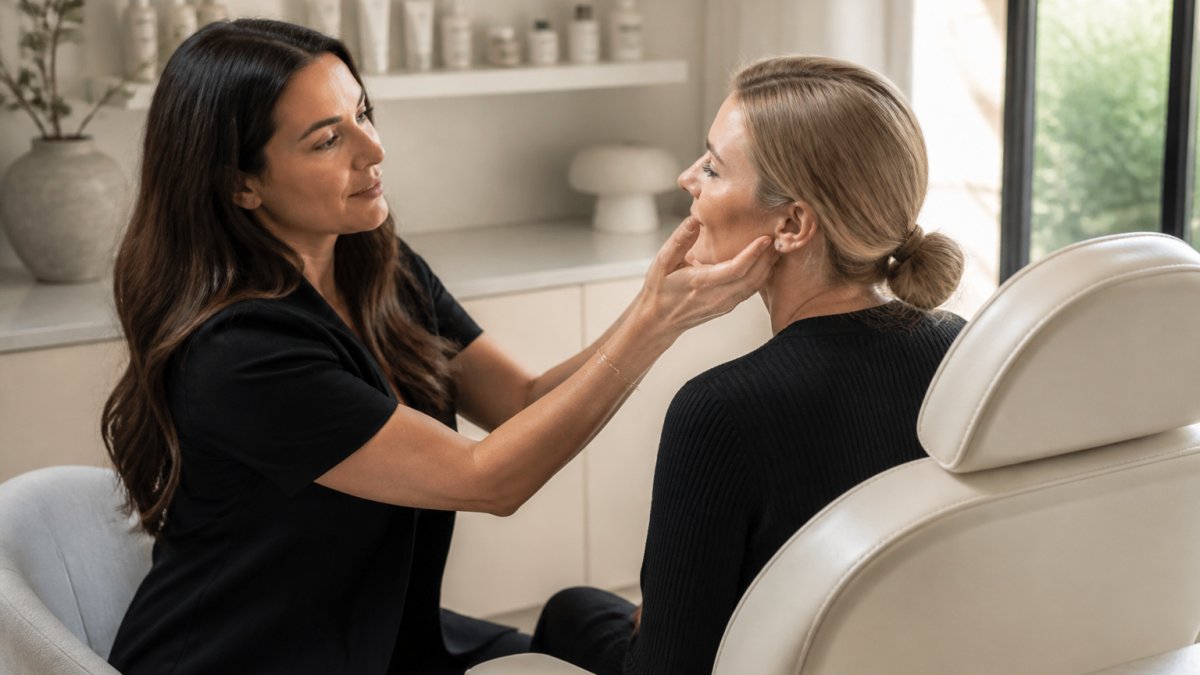
A thorough initial consultation is where good aesthetic care begins. During this appointment, a qualified practitioner assesses your skin type, tone, texture, and specific concerns, whether that's fine lines, acne scars, enlarged pores, or loss of firmness and radiance. This assessment informs the entire treatment plan.
Some clinics include the consultation free; others charge a fee that may or may not be credited against your first treatment. A comprehensive skin assessment takes time and expertise. When a clinic charges for this, it often signals they're investing in proper evaluation rather than rushing you through to close a sale. Ask whether the consultation fee is refundable or applied to treatment costs. This detail matters.
Treatment delivery and practitioner time
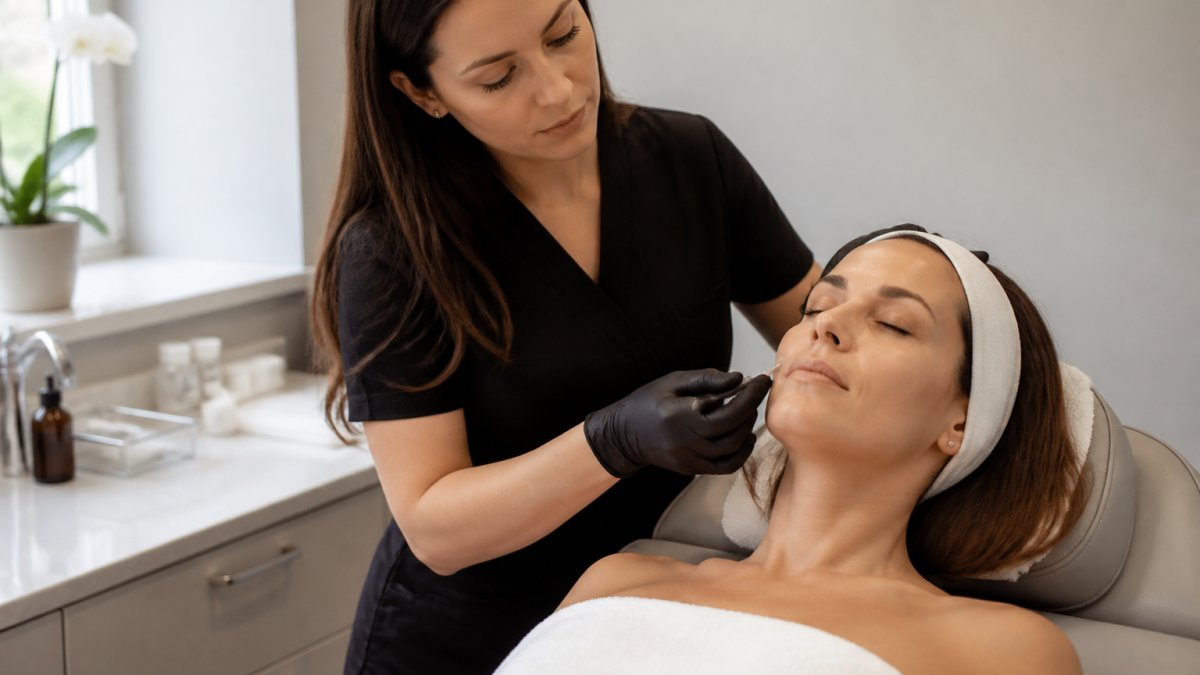
The actual treatment, whether microneedling, PRF therapy, or another rejuvenation approach, represents the core of what you're paying for. The cost reflects the practitioner's qualifications, the time allocated per appointment, and the equipment used. A practitioner with advanced training in subtle, natural-looking results typically charges more than someone with basic certification. It reflects their expertise.
Session length varies by treatment type and your individual needs. Some treatments require 30 minutes; others need 60 or 90 minutes. Clinics that allocate more time per patient generally charge higher fees because they're seeing fewer clients per day but delivering more personalised care.
Follow-up appointments and adjustments
Aesthetic results develop over time. Microneedling stimulates collagen production, which continues for weeks after treatment. PRF therapy works gradually. Follow-up appointments allow your practitioner to monitor progress, assess how your skin is responding, and adjust your treatment plan if needed.
Some clinics include follow-up appointments in their initial price; others charge separately. Understanding what's included prevents budget surprises. A clinic that includes multiple follow-ups in the quoted price is often more transparent about the full cost of achieving your goals, whereas one that charges per visit may appear cheaper upfront but cost more overall.
Practitioner Expertise and Qualifications
One of the largest price drivers in aesthetic medicine is practitioner qualification and experience. This deserves its own consideration because it's often where the most significant value differences emerge.
A practitioner with formal training in aesthetic medicine, dermatology, or plastic surgery typically charges more than someone with a shorter certification course. That's because their training is deeper, their understanding of facial anatomy and skin physiology is more advanced, and their ability to deliver subtle, natural-looking results, rather than obvious or overdone outcomes, is often enhanced.
Experience matters equally. A practitioner who has performed hundreds of treatments has encountered more variations in skin types, concerns, and individual responses. They've learned what works for different faces, how to adjust techniques for different skin tones, and how to manage complications or unexpected reactions. That experience commands higher fees, and it's worth paying for.
Ask about your practitioner's qualifications during your consultation. Understand their training background, how long they've been practising aesthetic treatments, and whether they specialise in the subtle, natural approach or favour more dramatic results. This conversation often reveals why two clinics with similar-sounding treatments charge different prices.
Treatment Timelines, Session Frequency, and Maintenance
Aesthetic results don't happen overnight, and the timeline for seeing improvements directly affects overall cost. Understanding how many sessions you'll need, how far apart they should be, and what maintenance looks like helps you calculate the true investment.
Most skin rejuvenation treatments require multiple sessions spaced weeks apart. Microneedling typically involves 3-6 sessions at 4-6 week intervals, depending on your skin concerns and goals. PRF therapy often follows a similar pattern. This isn't because clinics are padding the treatment course; it's because collagen stimulation is a gradual biological process.
The spacing between sessions matters. Sessions too close together don't allow adequate healing and collagen remodelling. Sessions too far apart mean you lose momentum and the cumulative benefit diminishes. Your practitioner will recommend spacing based on your skin's response and the specific treatment protocol.
Maintenance appointments extend results. After completing an initial course, many people benefit from periodic top-up treatments, perhaps one or two sessions per year, to maintain their improved skin texture, tone, and firmness. This ongoing cost should factor into your decision when comparing clinics.
How to Compare Aesthetic Clinics Fairly
Price alone tells you almost nothing. Comparing clinics fairly requires looking at what's actually included, who's delivering the treatment, and what outcomes you can realistically expect.
Book your consultation today →
Start by getting detailed quotes from at least two clinics. The quote should specify: the exact treatment or treatment plan recommended, the number of sessions included, the spacing between sessions, whether follow-up appointments are included, and the total cost for a complete course.
Ask about the practitioner's qualifications and experience. Request before-and-after photos showing results that match your goals, natural-looking improvement rather than dramatic change. If a clinic can't or won't provide this, that's a red flag.
Understand what happens if you're not satisfied. Does the clinic offer adjustments or refinements? What's their policy on complications or unexpected reactions? A clinic confident in their work typically has clear policies here.
Consider the consultation experience itself. Did the practitioner listen to your concerns and aesthetic goals, or did they push a predetermined treatment? Did they explain why they recommended specific treatments and what results are realistic for your skin type and concerns? A good consultation feels collaborative, not prescriptive.
The Aesthetic Treatment Consultation: What to Expect
A quality consultation is where your relationship with a clinic begins. It's also where you can assess whether the clinic's pricing reflects genuine expertise or is simply higher without justification.
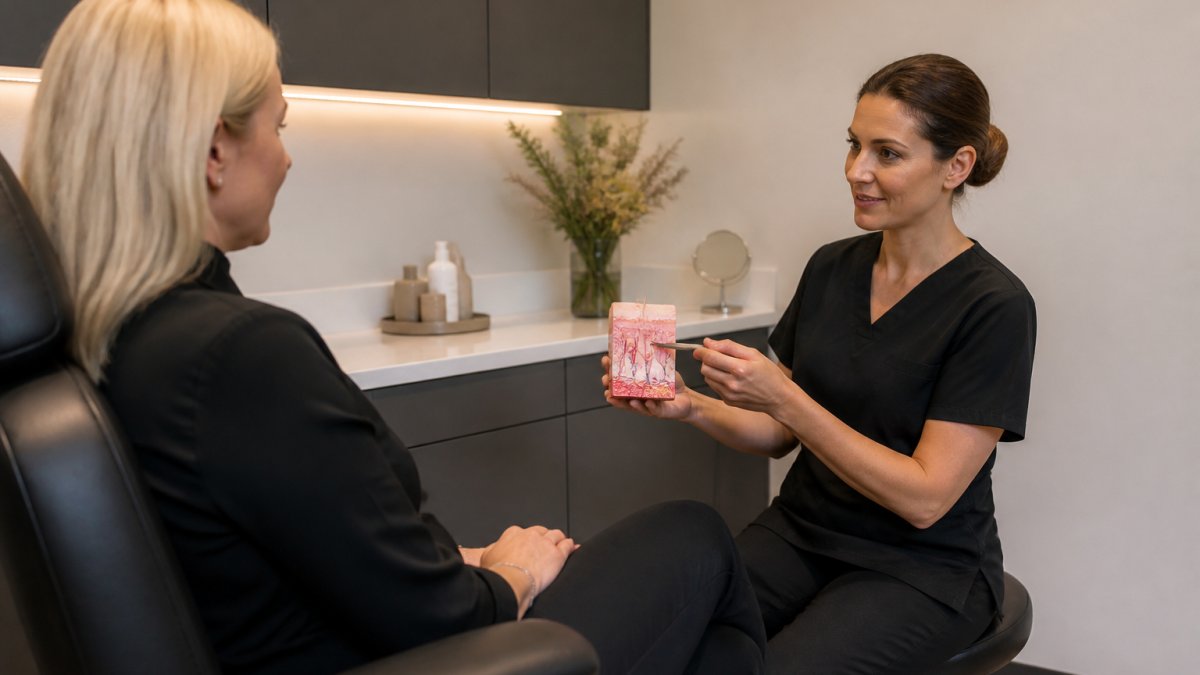
During a consultation, expect a thorough assessment of your skin. The practitioner should examine your skin type, texture, tone, and specific concerns, whether fine lines, acne scars, enlarged pores, or loss of firmness.
A good consultation includes education. The practitioner should explain why they're recommending specific treatments, how those treatments work, what results are realistic for your skin, and what the timeline looks like.
Ask direct questions during your consultation. How many sessions will I need? How far apart will they be? What should I expect during recovery? When will I see results?
The consultation is also your chance to assess the clinic environment and staff professionalism. Are you treated with respect? Is the clinic clean and well-maintained? Do staff seem knowledgeable?
Realistic Outcomes and Value Over a Full Course
Understanding what's realistic for your skin and what represents genuine value helps you make a decision you'll feel confident about long-term.
Realistic outcomes depend on your skin type, age, specific concerns, and the treatment chosen.
The best aesthetic results look natural. They enhance your appearance without making it obvious you've had treatment. This is harder to achieve than more dramatic results, and it requires genuine skill.
Value over a full course means considering total cost, not just per-session cost. A clinic charging £200 per microneedling session but recommending 6 sessions costs £1,200 for a course.
According to guidance from the General Medical Council on aesthetic practice standards, practitioners should prioritise patient safety, informed consent, and realistic outcome discussion.
Ask your prospective clinic to outline the full course: number of sessions, spacing, expected timeline to visible results, and realistic outcome for your specific skin concerns. Compare this across clinics.
Choosing an aesthetic clinic is fundamentally about understanding what drives pricing differences and assessing whether a clinic's fees reflect genuine expertise and care quality.
Frequently Asked Questions
Why do aesthetic treatment prices vary so much between clinics?
Aesthetic treatment prices vary because of differences in practitioner qualifications, clinic overhead costs, equipment quality, and the depth of personalised care offered. A bespoke treatment programme tailored to your individual needs costs more than a standardised approach. Clinics with advanced clinical expertise, premium facilities, and comprehensive aftercare typically charge more because they deliver measurably better outcomes and a refined patient experience. Comparing price alone ignores the quality of the consultation, the skill applied during treatment, and the likelihood of achieving your aesthetic goals safely and naturally.
What factors affect the price of an aesthetic treatment?
Several factors influence aesthetic treatment costs: the practitioner's experience and qualifications, the complexity of your skin concerns, the number of sessions required in your personalised treatment plan, the type and quality of equipment used, clinic location and overhead, and the extent of follow-up care included. Microneedling for fine lines, for example, may require fewer sessions than treating acne scars or skin texture issues. Premium clinics invest in advanced technology and evidence-based protocols, which affects pricing but typically can deliver excellent results and a lower risk of complications.
What should an aesthetic treatment quote include?
A comprehensive aesthetic treatment quote should detail the initial skin assessment and consultation, the number of treatment sessions in your personalised programme, the appointment duration, any recommended follow-up visits, post-treatment care guidance, and the total cost for the full course. It should specify whether maintenance treatments are included and clarify what happens if you need additional sessions. A transparent quote from a reputable clinic will also explain the reasoning behind the recommended treatment plan and outline realistic timelines for visible results, so you understand exactly what you're investing in.
How can I compare aesthetic treatment prices fairly?
Compare clinics by requesting detailed quotes that break down what's included in each price, not just the per-session cost. Ask about the practitioner's qualifications, the equipment used, and the evidence supporting their approach. Evaluate whether the consultation is thorough and personalised or rushed. Check how many sessions are recommended and why, and confirm whether follow-up appointments are included. A lower price often reflects less expert assessment, fewer sessions, or minimal aftercare, not better value. Fair comparison means weighing the full treatment course, the practitioner's expertise, and the likelihood of achieving natural, elegant results against the total investment.