 how-to
How to Achieve Natural-Looking Aesthetic Results
Table of Contents
- Understanding What Natural-Looking Aesthetic Results Actually Mean
- How to Choose Aesthetic Treatments That Suit Your Goals
- The Aesthetic Treatment Consultation: What to Discuss and Ask
- Achieving Natural-Looking Dermal Filler Results
- How to Avoid Overfilled Results and the 'Done' Look
- Choosing a Qualified, Experienced Aesthetic Practitioner
- Maintaining Natural-Looking Results Over Time
- Frequently Asked Questions
Last Updated: October 11, 2026
Understanding What Natural-Looking Aesthetic Results Actually Mean
Natural-looking aesthetic results are the foundation of modern aesthetic medicine. At Exclusive Medical Aesthetics in Bath, we define this as enhancements that preserve your unique facial identity while addressing your specific concerns. The goal is never to erase who you are, it's to refresh and refine what's already there.
Many people assume "natural" means invisible. That's not quite right. Natural-looking results mean your face still moves like your face. Your expressions remain yours. When someone sees you, they notice you look well, rested, or refreshed, not that you've had "work done."
Subtlety and restraint as core principles
The difference between elegant results and the "done" look comes down to one principle: less is more. Restraint isn't about doing nothing. It's about doing exactly enough, and stopping there.
This matters because facial anatomy doesn't reward excess. Your face is a system of proportions, muscles, and expressions that work together. When one feature gets oversized or overfilled, everything else looks off-balance. The eye catches the artificial part, not your natural beauty.
Conservative treatment means starting with smaller amounts and building gradually.
How facial anatomy and proportions guide treatment
Your face has natural ratios and contours that have been there since you were born. Effective aesthetic treatment works with these proportions, not against them.
For example, someone concerned about lines around the mouth might actually benefit from subtle volume restoration in the cheeks first.
Facial movement matters too. Your muscles create expression. When injectables are placed correctly, they smooth dynamic lines while preserving the muscles that create genuine emotion.
How to Choose Aesthetic Treatments That Suit Your Goals
Not every treatment works for every concern. The right choice depends on what you're actually trying to address, your skin quality, and how much time you have for results to develop.
Assessing skin quality and what treatments address it
Your skin tells you what it needs. Dull, textured skin benefits from treatments that stimulate collagen and improve surface quality, microneedling and laser treatments excel here. Fine lines respond to different approaches than volume loss. Sagging skin often needs biostimulators or combinations of treatments rather than fillers alone.
Skin quality improvements take time. Microneedling and regenerative treatments work by triggering your skin's own repair processes. Results build gradually over weeks and months. This is why starting early with preventative treatments makes sense, you're building skin health before major changes occur.
Conservative approaches: starting small and building gradually
The most successful aesthetic journeys follow a pattern: start with one treatment, assess results over 2-3 months, then decide what's next. This approach prevents overtreatment and gives you time to adjust to subtle changes.
Many people worry they'll need constant maintenance. The truth is simpler: consistent, conservative treatment is easier to maintain than aggressive treatment. A small amount of filler refreshed regularly looks better than a large amount that eventually needs dissolving because it became too much.
The Aesthetic Treatment Consultation: What to Discuss and Ask
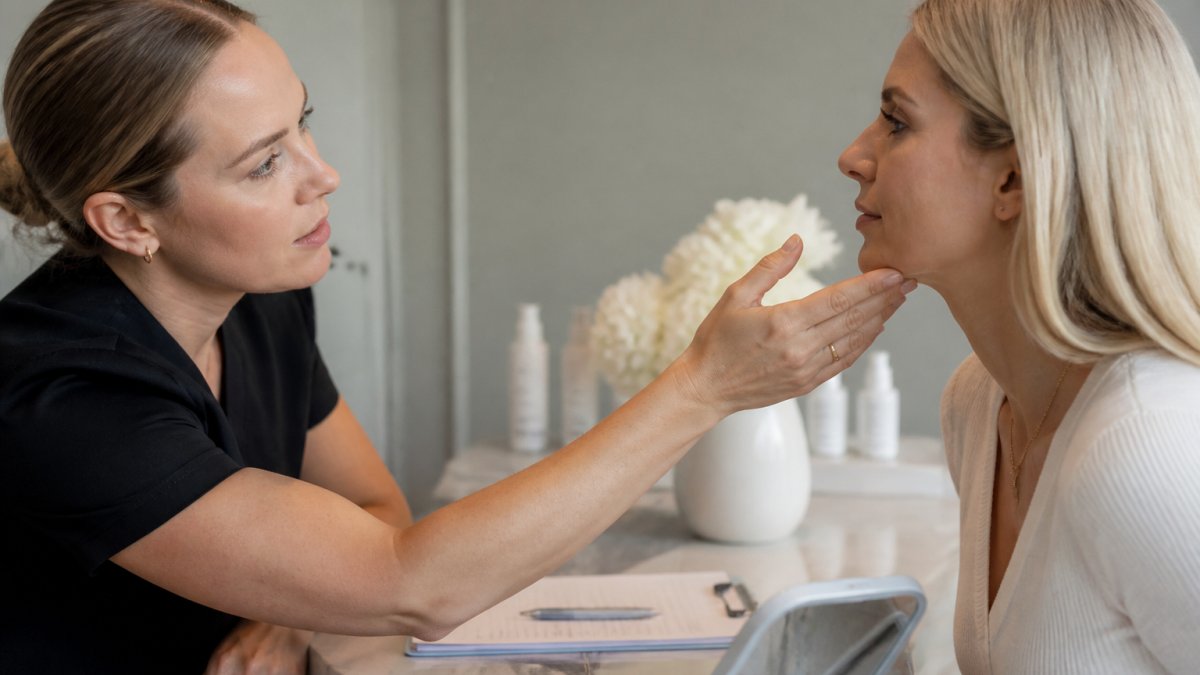
Your consultation is where everything begins. This is your chance to communicate clearly and ask the questions that matter.
Communicating your goals clearly and setting realistic expectations
Bring photos of looks you admire, not to copy exactly, but to show the direction you're thinking. Talk about what bothers you, but also what you want to keep.
Be honest about your lifestyle and downtime. If you can't afford a week of redness or swelling, say so. This changes which treatments make sense for you.
Realistic expectations mean understanding timelines. Dermal fillers show results immediately but refine over two weeks as swelling settles. Microneedling shows gradual improvement over three months.
Questions to ask about experience, approach, and product safety
Ask directly: "How many of these procedures have you done?" Experience matters. Someone who's done hundreds of subtle treatments has a different eye than someone who's done dozens.
Ask about their philosophy. Do they believe in conservative treatment? Have they ever told a patient "I don't think you need this"? A practitioner willing to say no to a treatment is one you can trust.
Ask which products they use and why. Quality matters. Established brands with strong safety records exist for a reason. Ask about their approach if something doesn't look right, can results be adjusted or reversed?
Achieving Natural-Looking Dermal Filler Results
Dermal fillers are the most common aesthetic treatment. When done well, they're invisible. When done poorly, they're obvious.
Whole-face assessment and balanced volume distribution
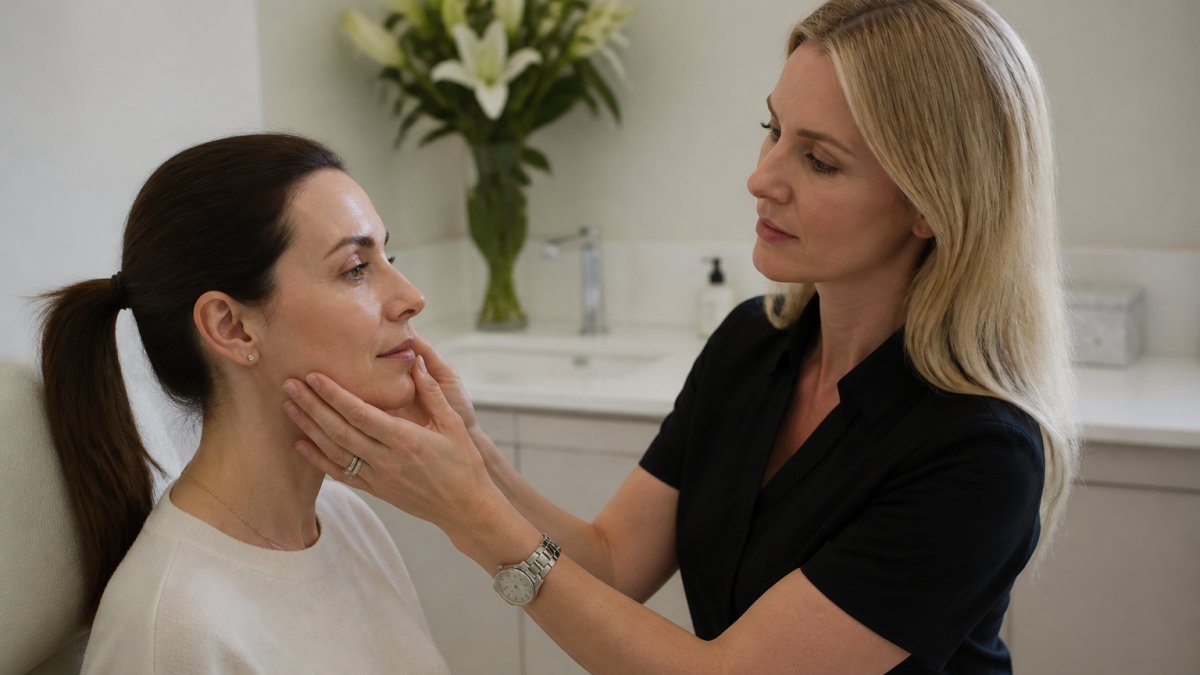
The key to natural filler results is balance. Your face isn't just a cheek or a lip, it's a complete structure. A skilled practitioner looks at how volume loss in one area affects the entire face.
Natural filler placement respects your bone structure. Fillers follow the contours that already exist, they don't create new ones. The goal is to restore what time has taken, not to redesign your face into something different.
Subtle filler means using less than you think you need. Most people are surprised how little filler actually creates visible change.
Book your consultation today →
Maintaining facial movement and expression
Your face moves. Smiling, frowning, raising your eyebrows, these movements are you. Filler placed correctly doesn't interfere with this. It sits in the right plane, supporting the skin without blocking the muscles underneath.
When fillers are placed too superficially or in too much volume, they restrict movement. This is what creates the "done" look. The face becomes stiff because the muscles can't move properly beneath the filler. This is why placement matters more than quantity.
How to Avoid Overfilled Results and the 'Done' Look
Overfilled results happen when practitioners prioritise volume over proportion, or when patients request more than their face can naturally accommodate.
Recognising over-treatment and what to do if results aren't right
Over-treatment shows as puffiness, asymmetry, or a face that doesn't match your expressions. Your cheeks might look too round. Your lips might look disproportionate. Your face might feel tight or heavy.
If this happens, you have options. Hyaluronic acid fillers can be partially or fully dissolved with an enzyme injection. This isn't a failure, it's a correction. A good practitioner will do this without hesitation if results aren't right.
The "done" look isn't about the amount of filler alone. It's about proportion, placement, and whether the face still moves naturally. Someone can have a lot of filler and still look natural if it's placed correctly.
Recovery timelines and when results become visible
Dermal fillers show results immediately. Swelling peaks at 24-48 hours, then gradually resolves over two weeks. Your final results appear around day 14. This means the first week might look fuller than the final result, this is normal.
Microneedling causes visible redness for 24-48 hours. Deeper treatments might show redness for up to a week. Results develop gradually over 8-12 weeks as collagen rebuilds. Laser treatments follow a similar pattern: immediate redness, gradual improvement.
Biostimulators take the longest. Results aren't visible for four to six weeks, and full results take three to four months. This is because they work by stimulating your own collagen production, not by adding volume directly.
Choosing a Qualified, Experienced Aesthetic Practitioner
Your practitioner's skill determines your results more than the treatment itself.
Credentials, training, and how to verify expertise
Aesthetic medicine requires specific training. Look for practitioners with formal qualifications in aesthetic medicine or dermatology. In the UK, check the General Medical Council (GMC) register to verify credentials. A registered practitioner has met rigorous standards and is accountable to regulators.
Training matters too. A weekend course in injectables doesn't create expertise. Practitioners should have completed structured training programmes and ongoing professional development. Ask about their training background directly.
Experience with subtle enhancement is different from experience with volume. Someone who specialises in natural results has a different portfolio than someone who does dramatic transformations. Look at before-and-after photos.
Why experience with subtle enhancement matters
Subtle work is harder than dramatic work. It requires restraint, proportion, and deep understanding of facial anatomy. A practitioner experienced in natural results has developed the eye to know when to stop and the confidence to recommend smaller treatments.
At Exclusive Medical Aesthetics, our approach prioritises elegant, natural-looking results through evidence-based care. We assess each patient individually and recommend treatments that align with their goals, not ours. This philosophy, that less is more, guides every consultation and treatment.
Maintaining Natural-Looking Results Over Time
Aesthetic results aren't permanent. Understanding maintenance helps you plan realistic expectations and budgets.
| Treatment | Longevity | Maintenance Frequency | Best For |
|---|---|---|---|
| Dermal fillers | 6-18 months | Every 6-12 months | Volume loss, lines |
| Wrinkle relaxers | 3-4 months | Every 3-4 months | Dynamic lines |
| Microneedling | 6-12 months | Every 3-6 months | Texture, fine lines |
| Biostimulators | 12-24 months | Every 12-18 months | Collagen stimulation |
| Laser treatments | 6-12 months | Every 6-12 months | Skin quality |
Maintenance is about consistency. Regular small treatments prevent the need for dramatic catch-up work later. Someone who gets subtle filler every eight months looks better long-term than someone who waits until they're very depleted, then gets a large amount.
Your skin changes over time. What worked at 35 might need adjustment at 45. A good practitioner reviews your results regularly and adapts the approach as your face evolves. This is why ongoing relationships with your practitioner matter, they know your face and can make subtle adjustments that keep results natural.
Achieving natural-looking aesthetic results requires more than technique, it demands a practitioner who understands restraint, respects your facial anatomy, and listens to your actual goals. Our commitment to evidence-based care and subtle enhancement means you'll look refreshed, not transformed. Book your consultation today to discover how we can help you achieve the refined, natural results you're seeking.
Frequently Asked Questions
What makes an aesthetic treatment look natural?
Natural-looking aesthetic results balance subtlety with your facial anatomy. The treatment should enhance your features whilst maintaining your natural expressions and proportions. A qualified practitioner assesses your whole face rather than treating isolated areas, ensuring volume, contours, and movement work together harmoniously. Results should be noticeable to you but not obvious to others, the goal is a refreshed appearance, not an obvious 'done' look.
How do I choose aesthetic treatments that look natural?
Start by identifying what you actually want to address, skin texture, volume loss, fine lines, or overall rejuvenation. Discuss your concerns honestly at consultation and ask the practitioner which treatments suit your specific needs and facial structure. Conservative approaches work best: begin with lower doses or fewer sessions and build gradually. Ask about recovery time, longevity, and maintenance so you understand the full commitment before starting.
How can I avoid an overfilled or overdone appearance?
Choose a practitioner experienced in subtle enhancement and commit to conservative treatment. Discuss your concerns about over-treatment at consultation and ask them to explain their approach to restraint. Avoid large volumes in a single session; gradual treatment over time looks more natural. If you're unhappy with results, speak to your practitioner immediately, some treatments can be adjusted or dissolved if needed. Recovery varies by treatment, so allow time to see final results before deciding whether additional sessions are necessary.
Why is choosing an experienced aesthetic practitioner so important?
An experienced practitioner understands facial anatomy, proportions, and how treatments interact across the whole face. They recognise when less is more and can communicate subtly about your goals. They know which products are safe, how to minimise downtime, and how to troubleshoot if something doesn't meet expectations. Expertise directly affects whether your results look natural or overdone, making practitioner selection one of the most important decisions you'll make.